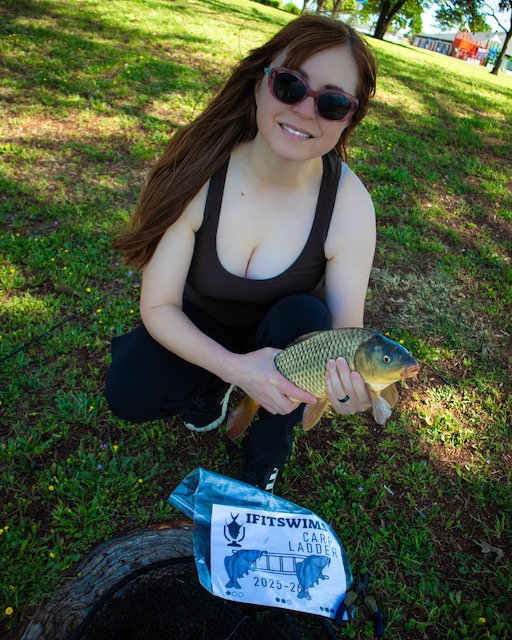
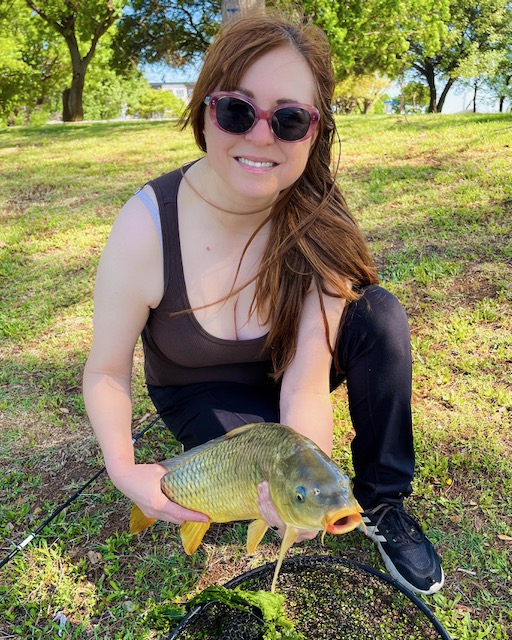
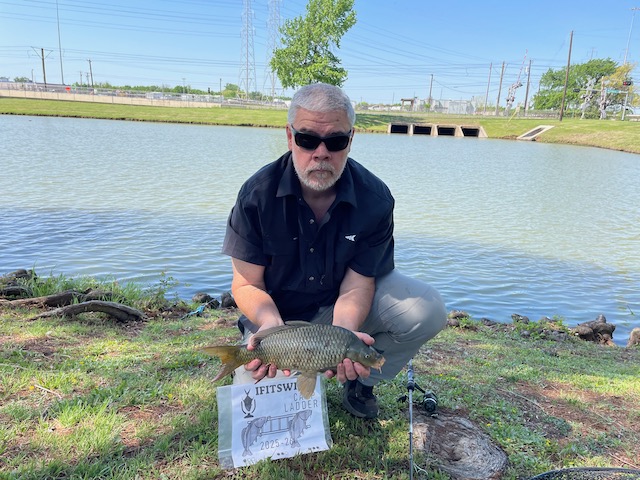
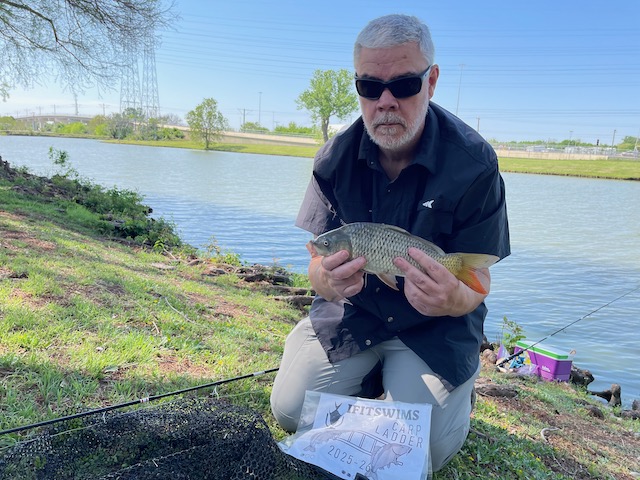
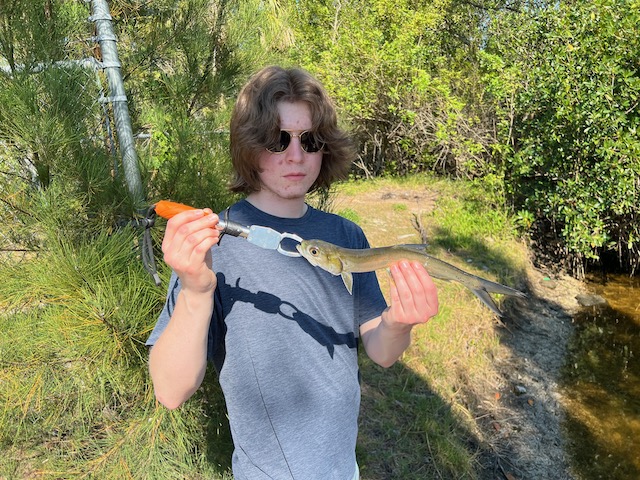
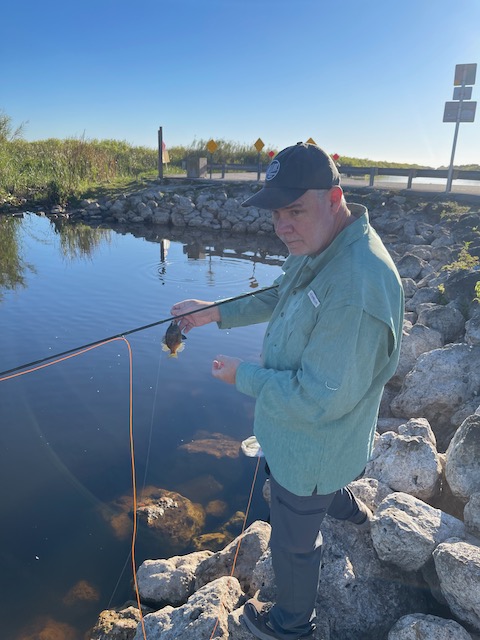
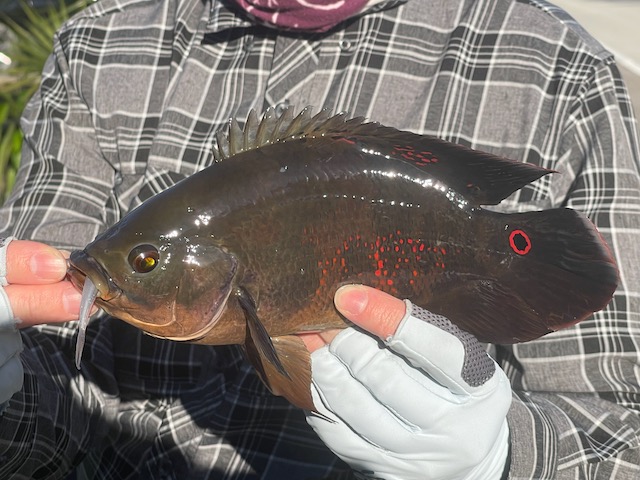
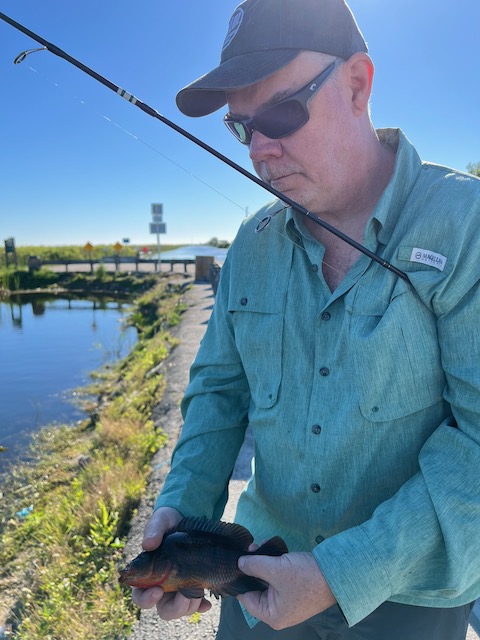
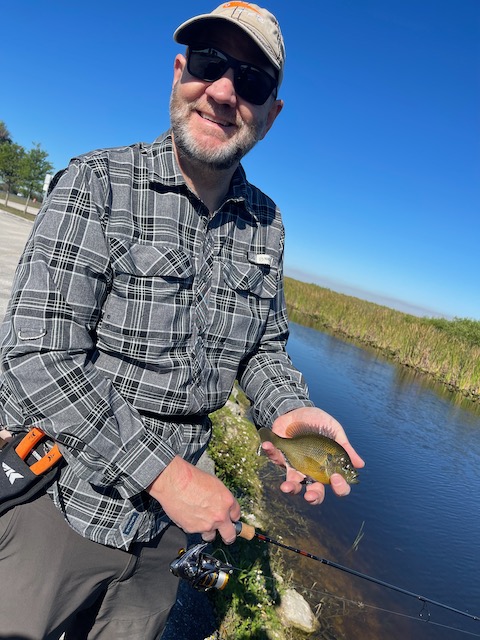
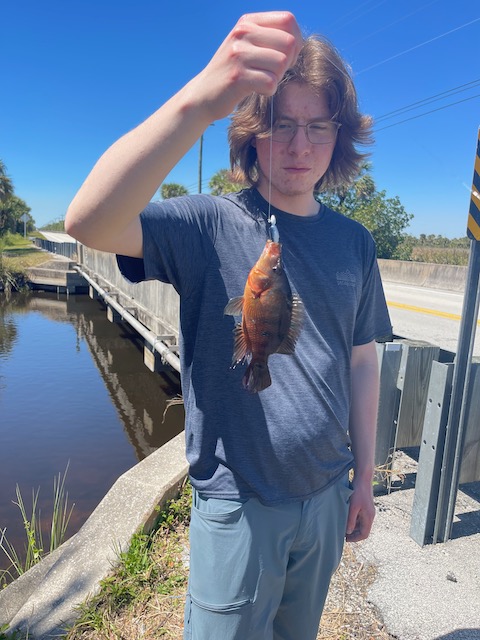
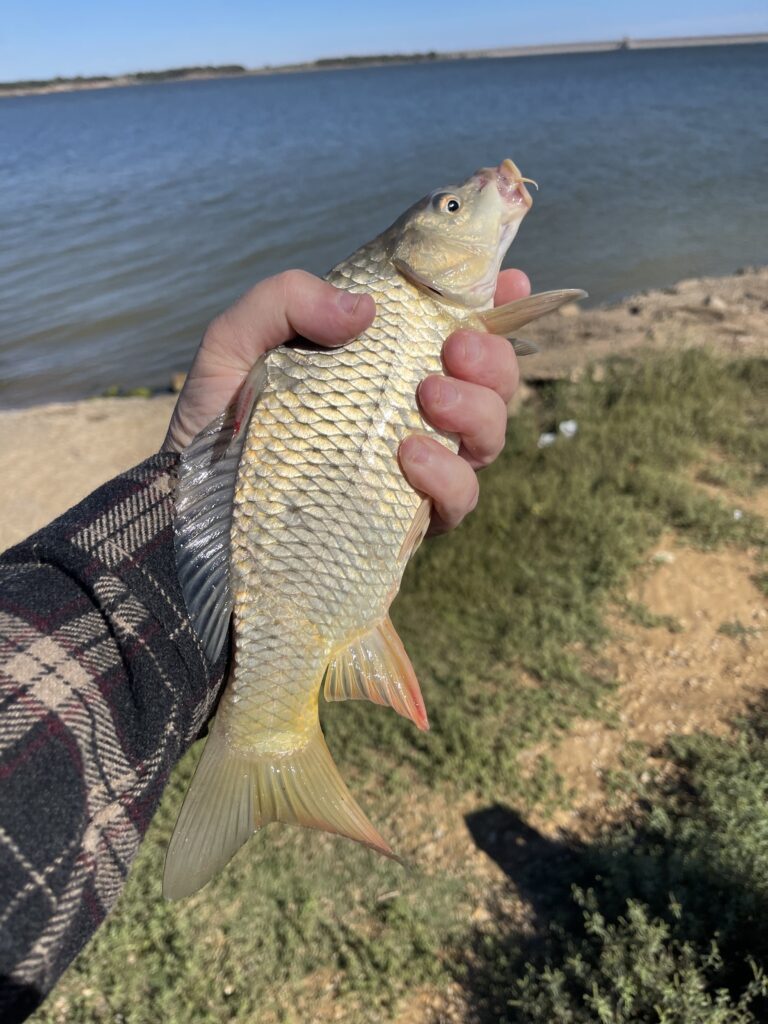
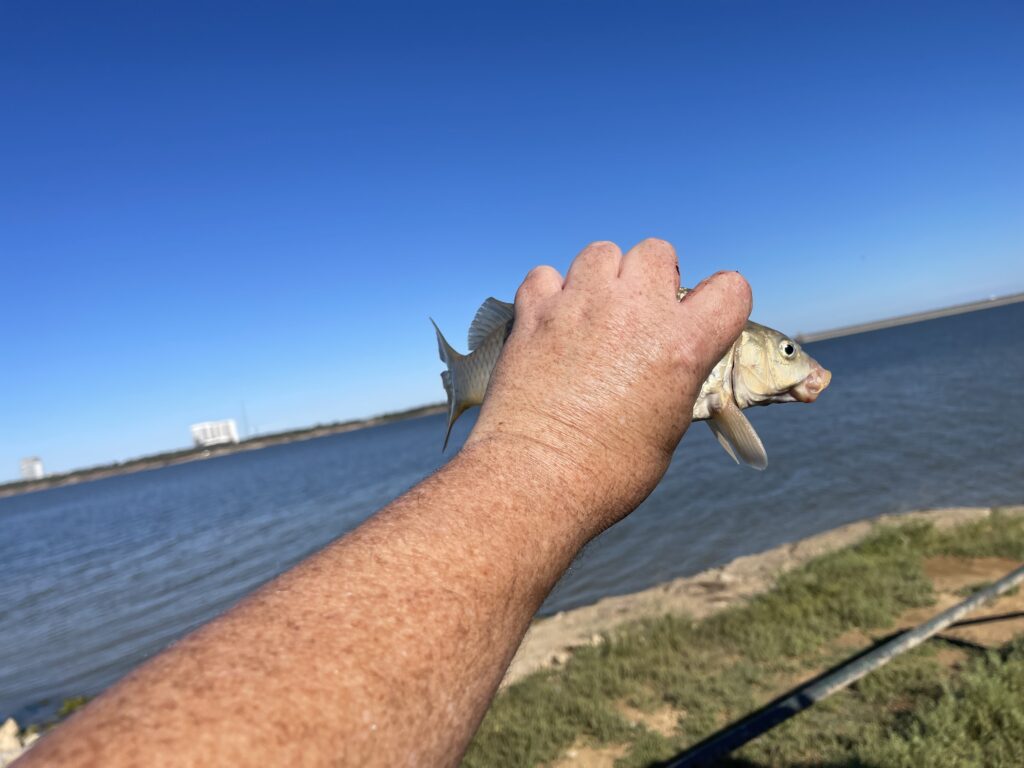
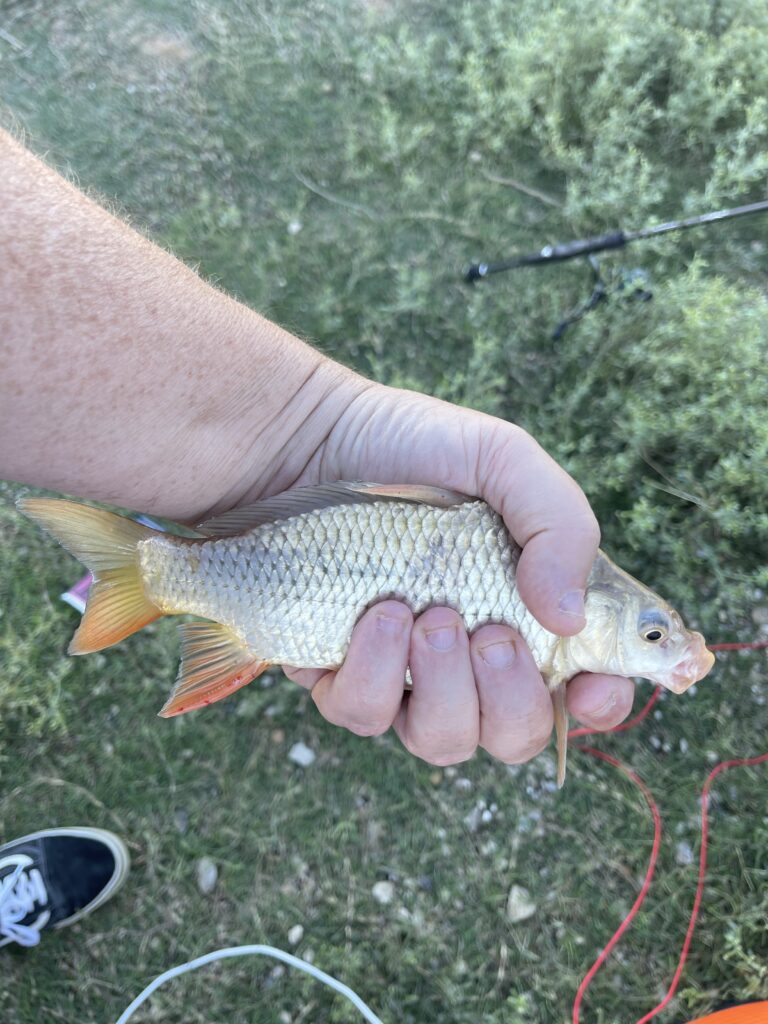
In a public pond somewhere in Carrollton, TX, under the unrelenting honk of way too many ducks and geese, Bret and Denise took a swing at the only climbing system that matters: The Carp Ladder.
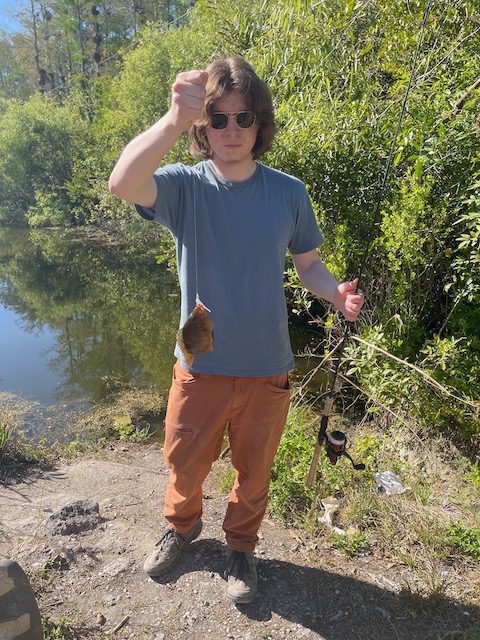
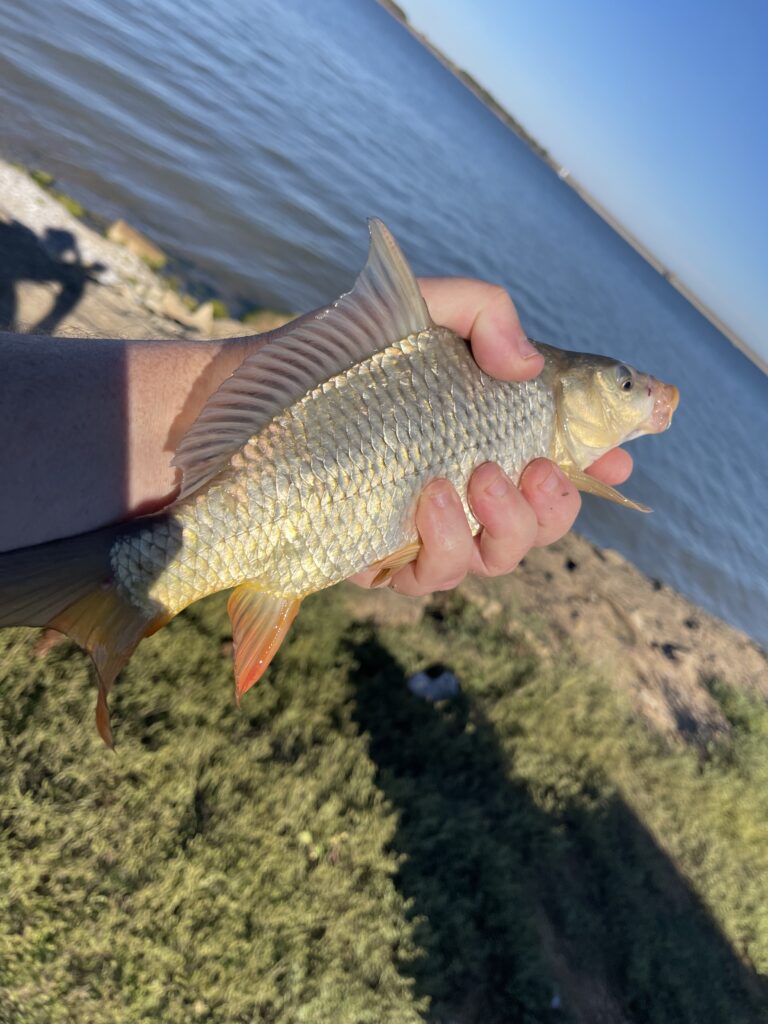
Armed with spinning rods and 3000 series KastKing baitfeeder reels, they slung bait into water so bird-slick it practically quacked. Denise kept it old-school and effective—corn for Rung 1, bread for Rung 2—and stuck two common carp (Cyprinus carpio) like it was a backyard clinic.
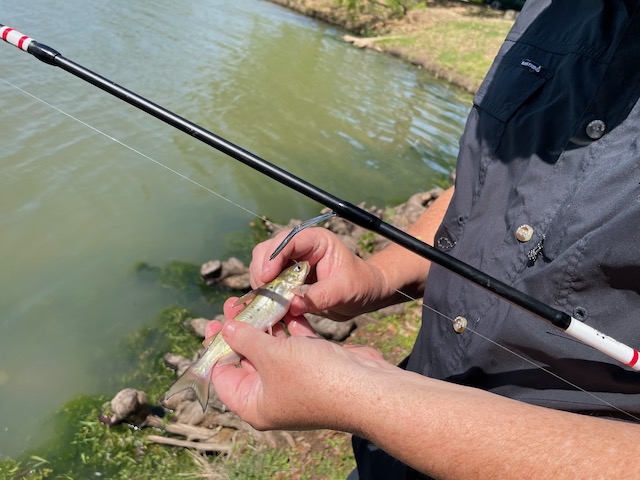
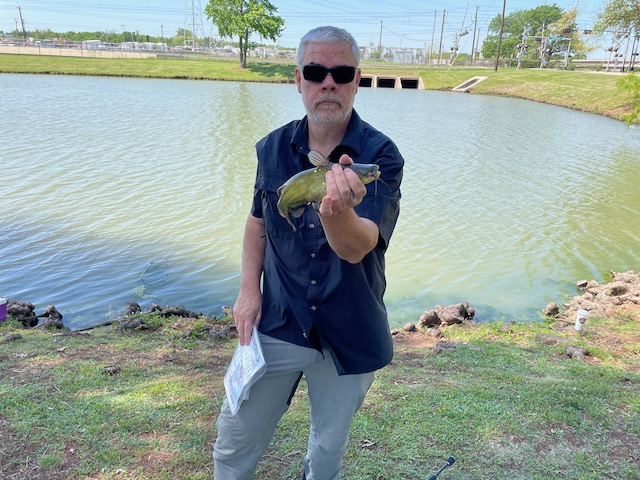
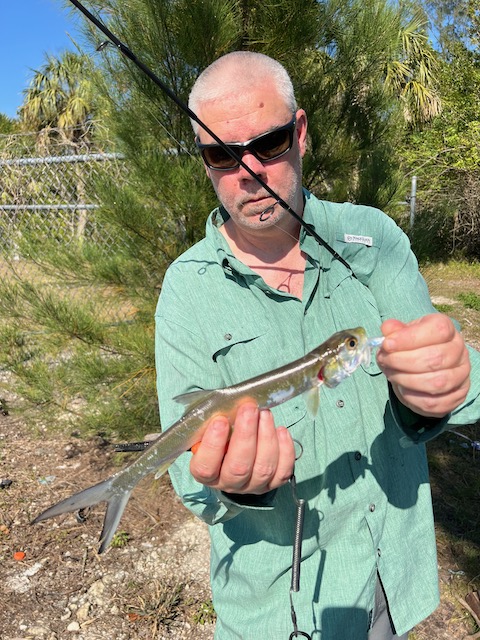
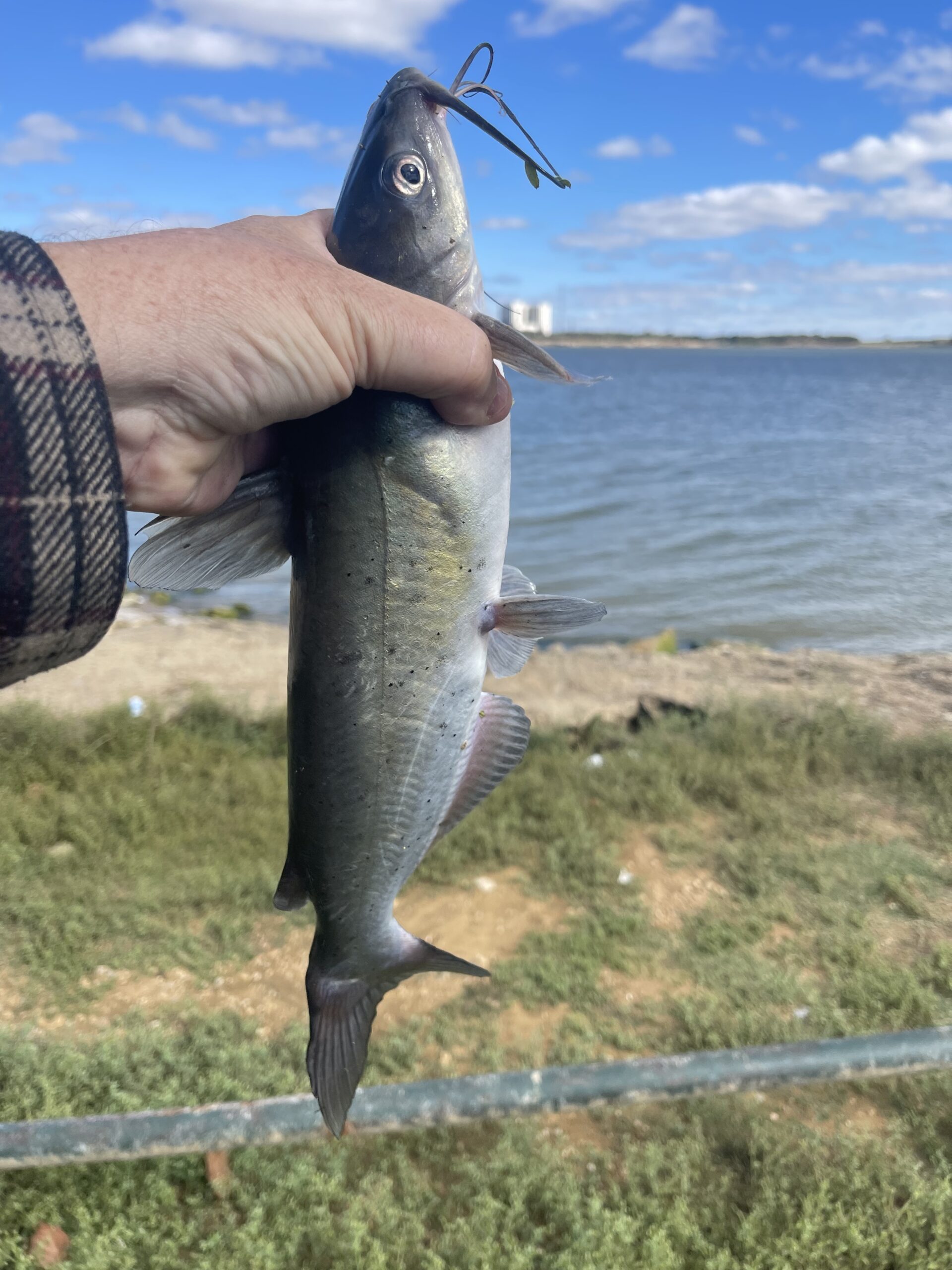
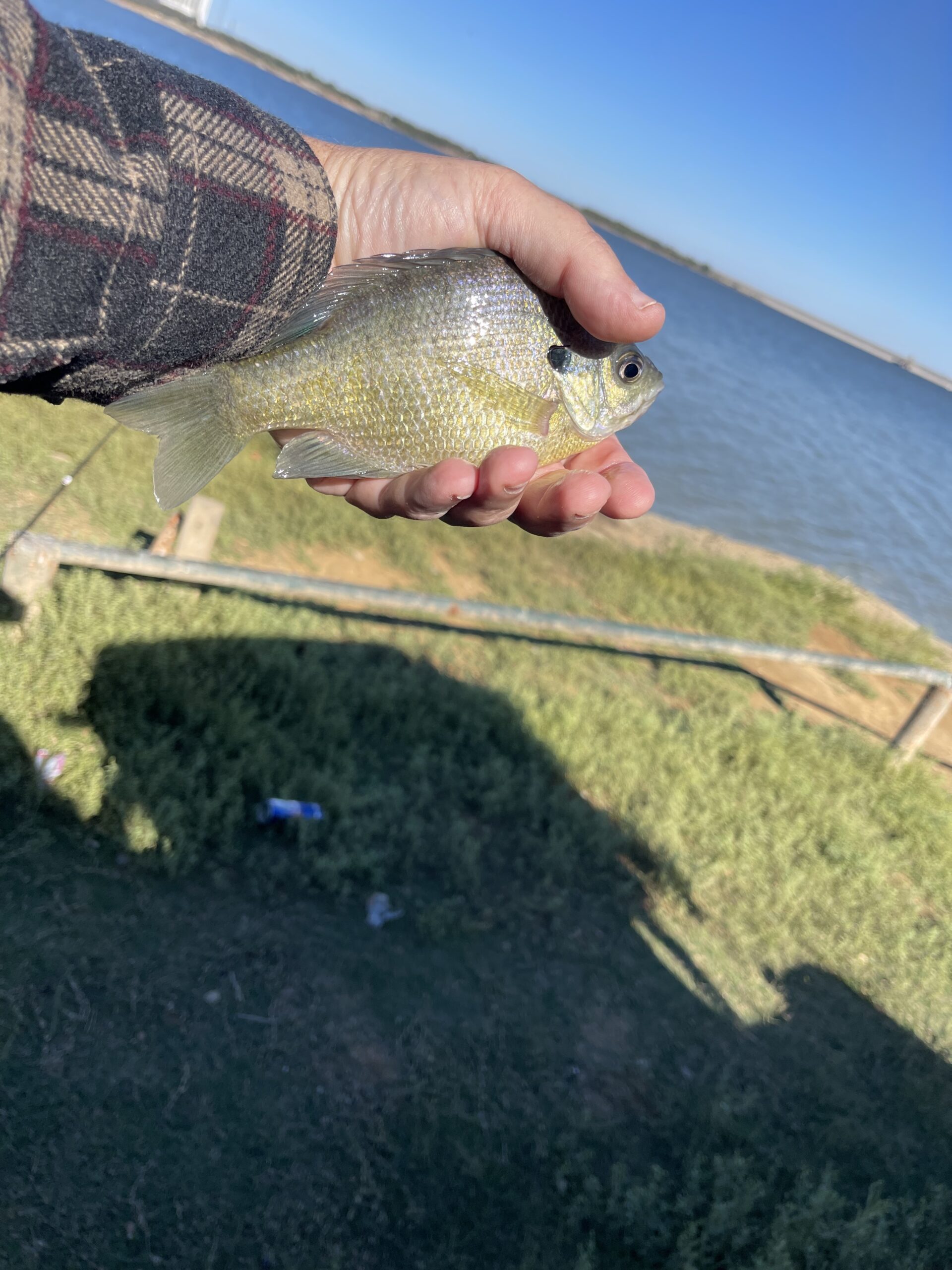
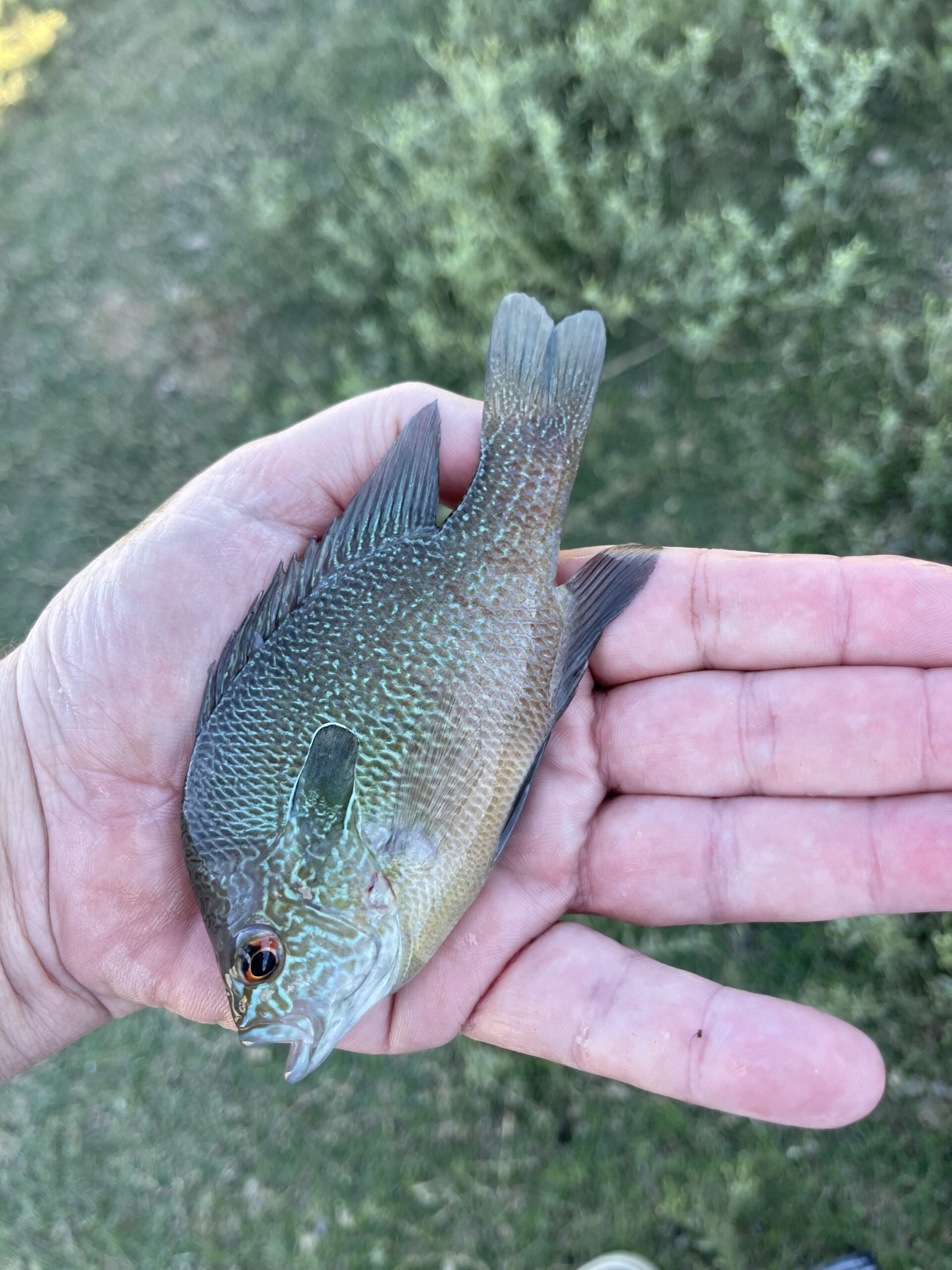
Bret landed his two as well (rungs logged, fish confirmed, style intact), then added bonus bycatch to the mix:
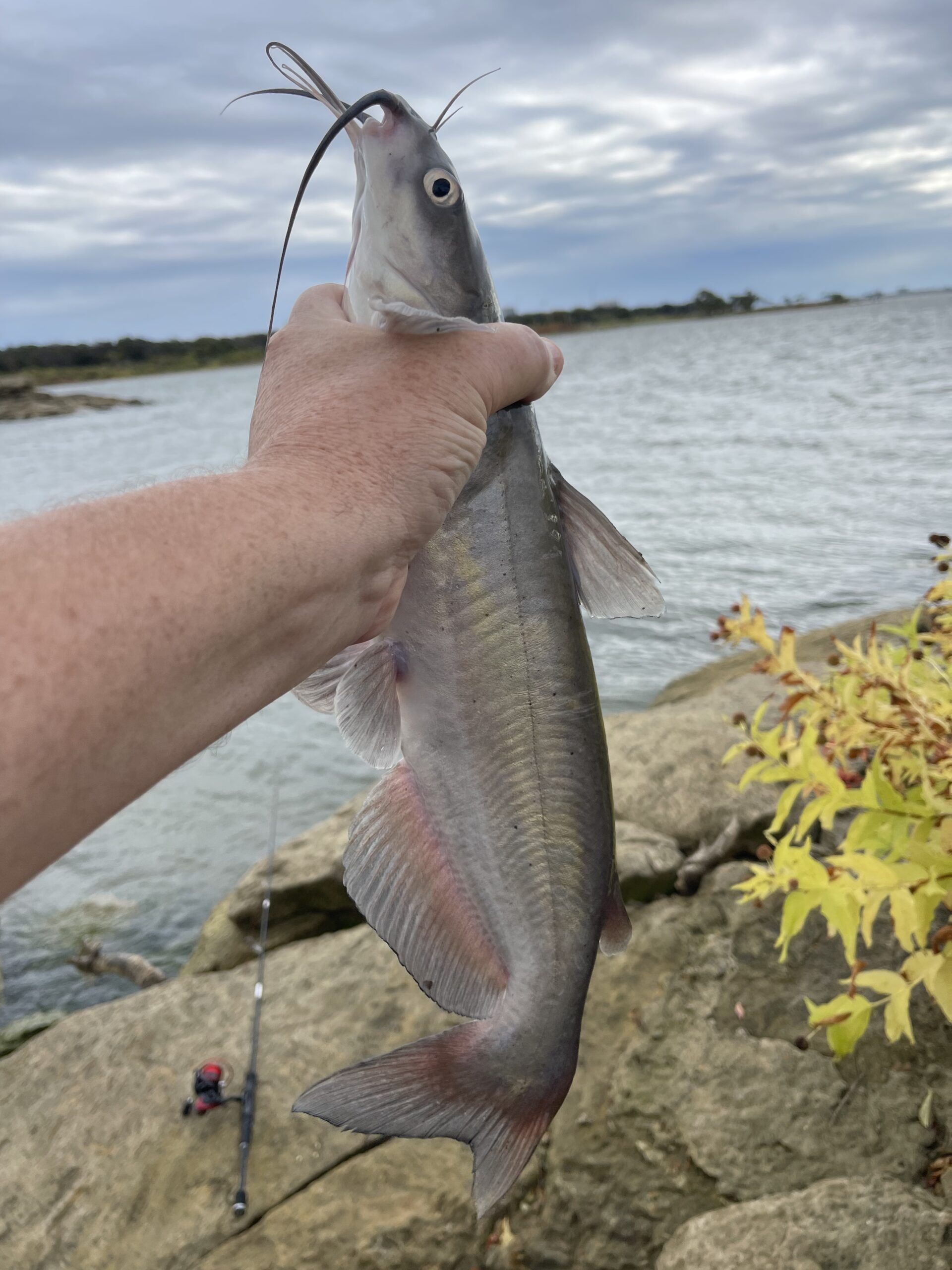
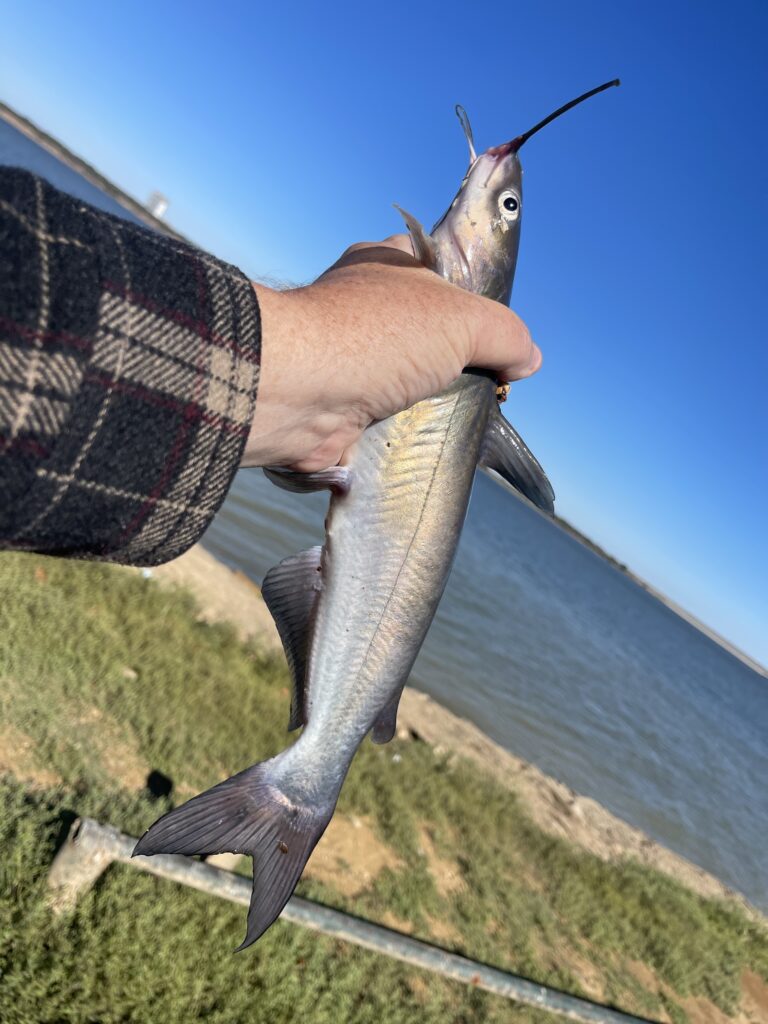
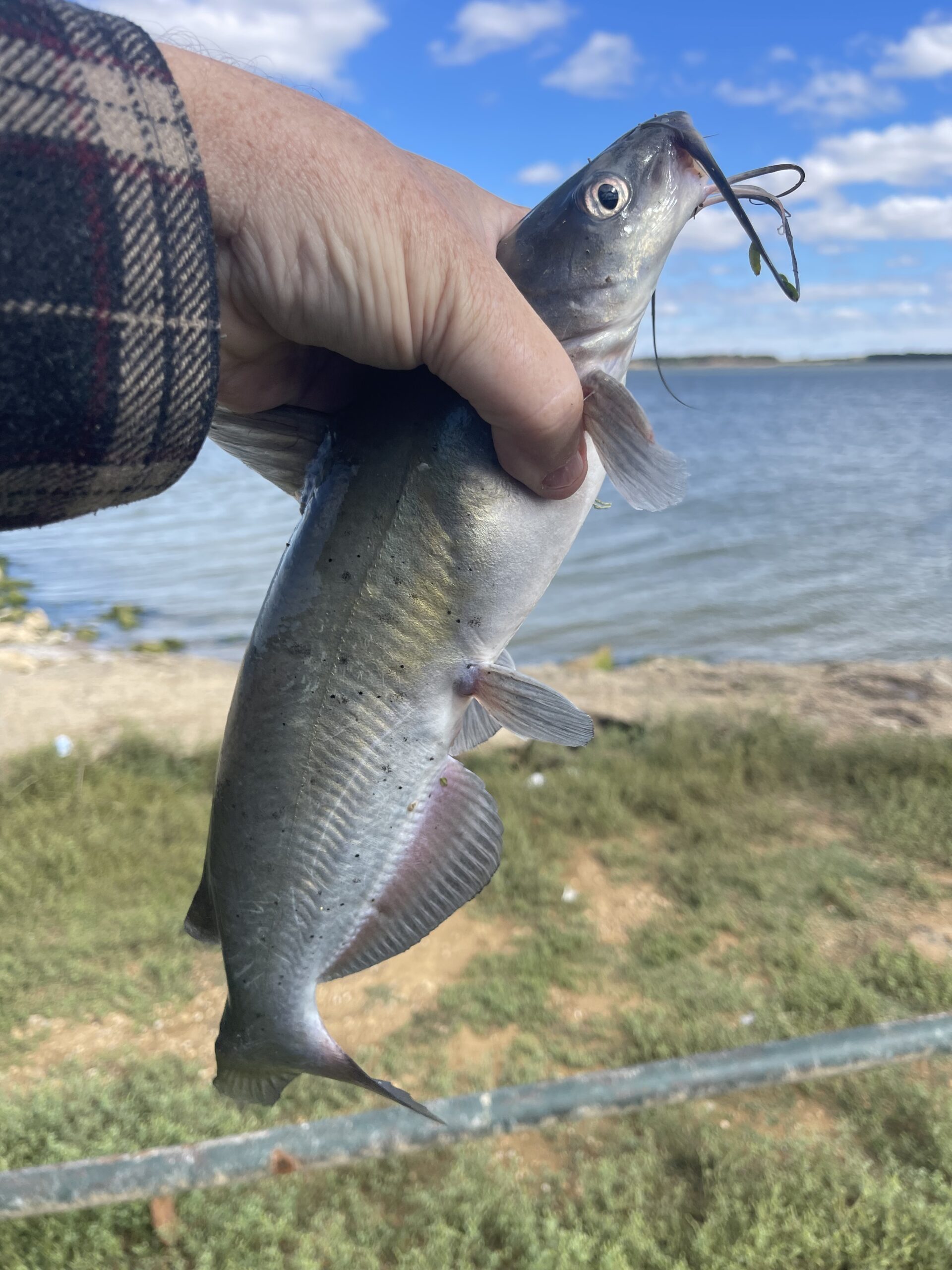
A channel catfish so small it looked like it swam out of a bait tank
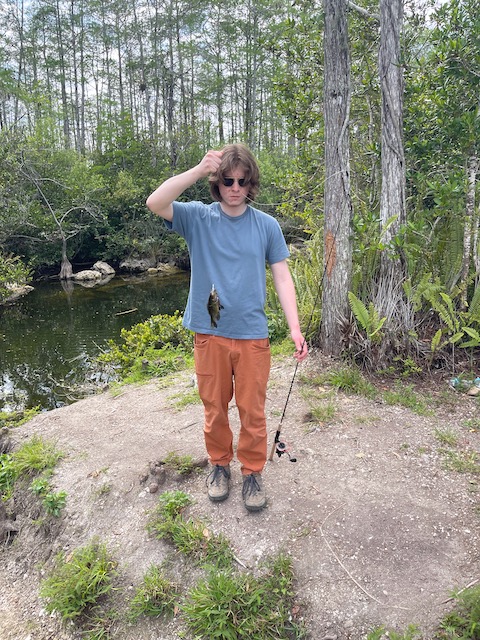
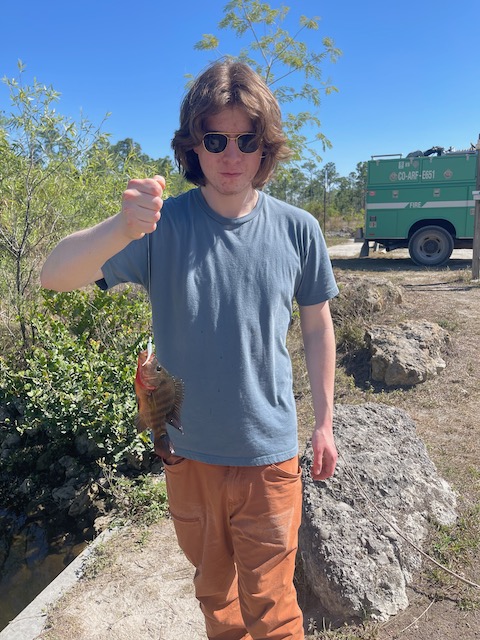
And a black bullhead (Ameiurus melas) with a gut so full of chum it probably shouldn’t have floated
It was hot, in that classic April-in-Texas kind of way—baking sun, but not full hellfire yet. A good day to sling bait and sweat while geese yell at you for trespassing on their suburban sludge kingdom.
They wrapped it up the only way you should after a day spent chucking bait in bird water: cold beers at 3 Nations Brewing. Because if your hands don’t smell like chum and your face doesn’t feel a little sunburnt, did you even go fishing?
Day 4 was supposed to be the boat day. Peacock bass. Clown knife fish. Urban jungle style.
But plans, like health, are fragile out here.
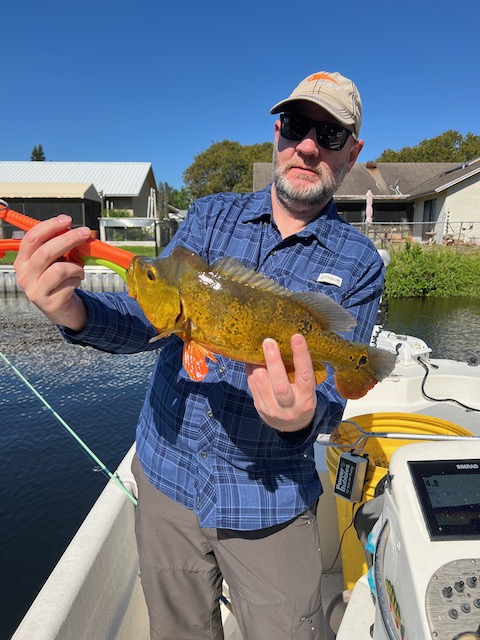
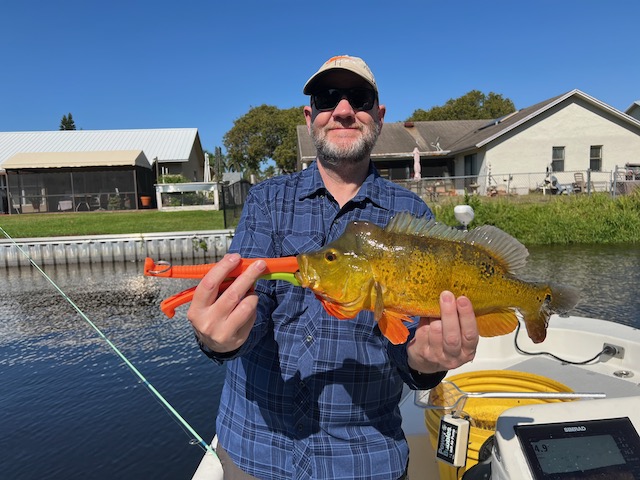
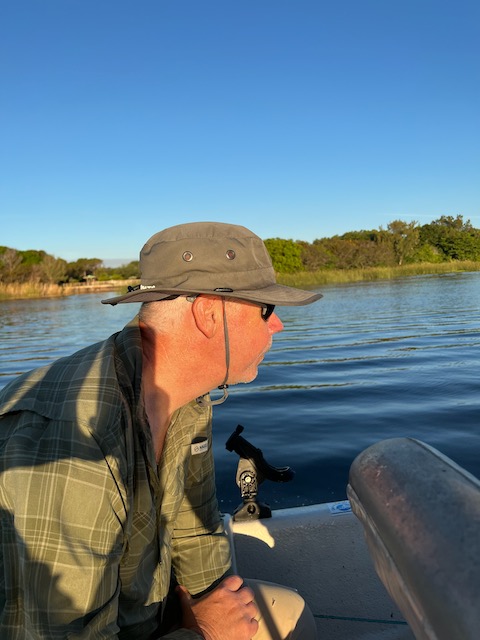
Luke started feeling rough the night before—legit sick. Not “too much sun” sick. Not “bad burrito” sick. The real deal. He looked like a guy who had lost a bar fight with a mosquito cloud. So he stayed back at the hotel, sleeping it off and sweating through the AC while Bret and Dave jumped on a guide boat with Captain Matthew Cavalieri of Matt’s Fishing Adventures.
Fishing canals connected to Lake Ida, they worked live shad along shorelines using the captain’s spinning setups—simple, clean, fishy.
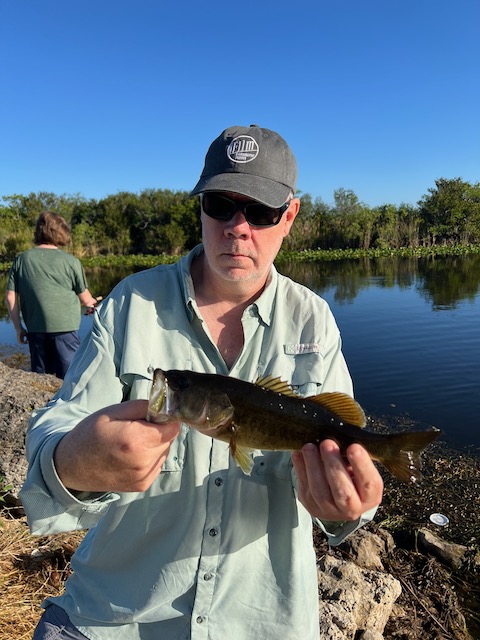
Dave struck first with a pair of peacock bass and a surprise hybrid striped bass (Morone saxatilis × chrysops). Both Bret and Dave added more Florida bass to the running tally.
We also left Captain Matt with a few IFITSWIMS stickers—because if you’re guiding in Florida and your cooler doesn’t have a fish podcast logo slapped on it, are you even doing it right?
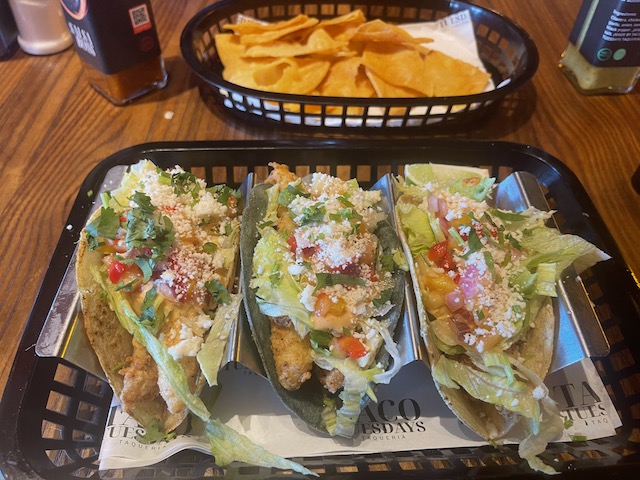
Post-trip, they refueled with tacos—because you don’t catch exotics in 90° canal water without following it up with salsa and regret—and then moved into full snakehead mode.
Back on their own spinning gear, Dave was throwing a topwater toad, Bret a frog, and they spent the rest of the afternoon prowling roadside ditches for that one angry bite. They got blow-ups, but no hookups—just the promise of violence and the splashes to prove it. Pure snakehead energy.
And then, just like that, the trip evaporated into airports and airplane seats. Too much gear. Not enough sleep. Full phone memory. Gator dreams.
Day 3 was supposed to be a full-on Tamiami Trail assault… never mind that we already fished part of it yesterday. But that’s how these trips go. Plans are vague. Ditches are endless. Fish don’t care what day it is.
We kicked things off early with a pile of Florida bass (Micropterus floridanus) at the first stop—finally, some commitment. Tarpon were rolling in the background, as casually as you like, but wouldn’t touch a thing. The kind of rejection you just have to nod at. Respect.
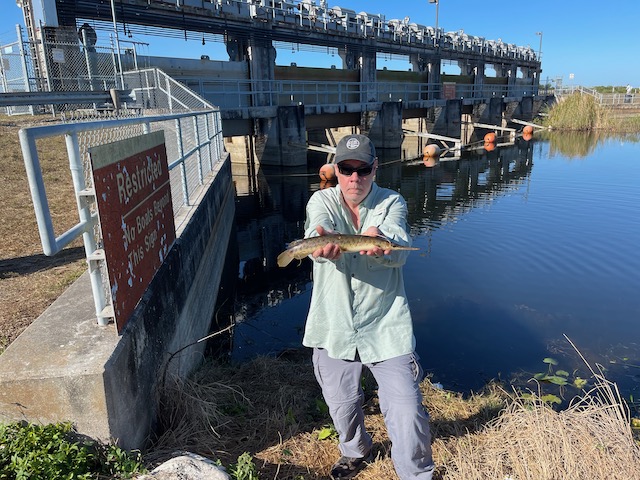
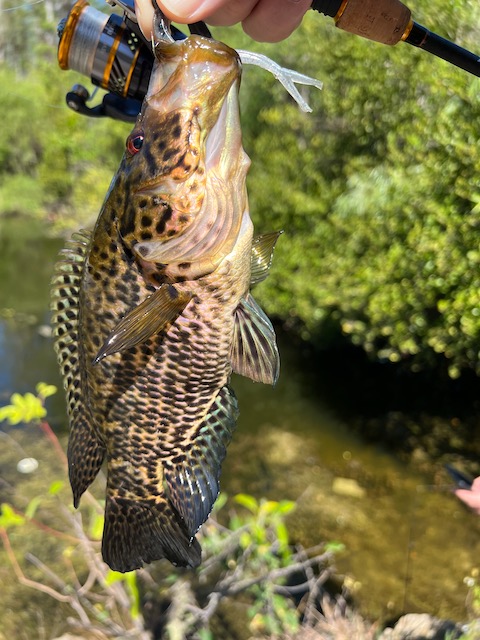
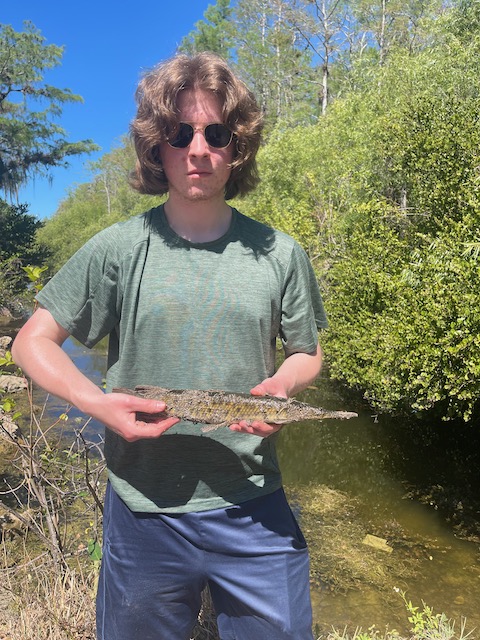
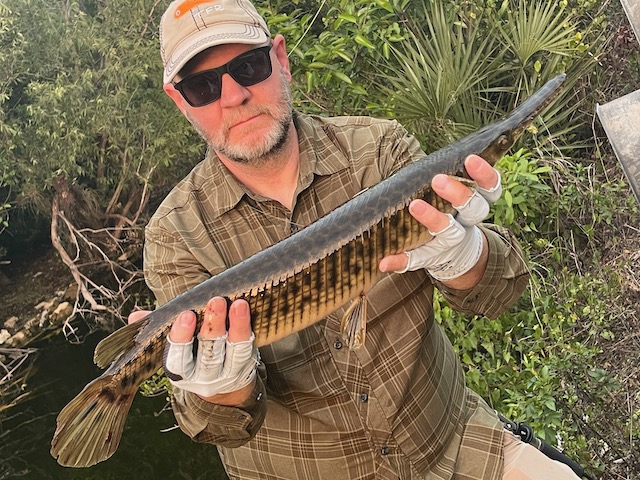
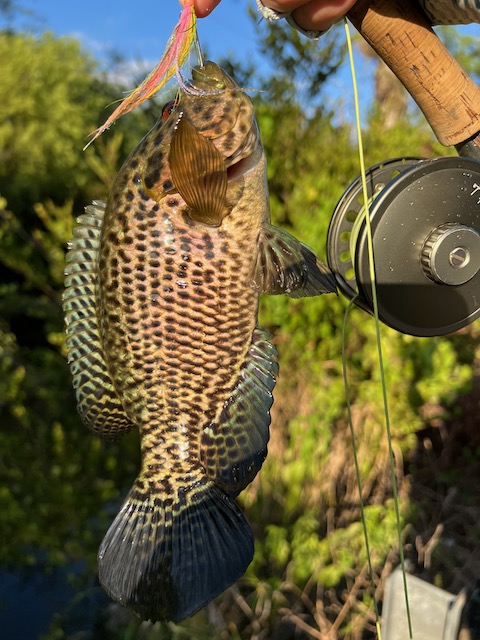
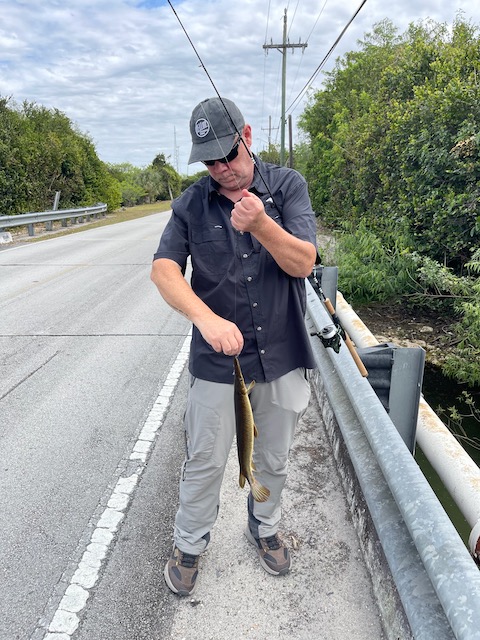
Bret landed a couple more Florida gar (Lepisosteus platyrhincus) that morning, while Mayan cichlids, Oscars, and Jaguar cichlids stacked up further down the Trail as the ditch narrowed to little more than a soggy gutter. Didn’t matter. The fish were there.
It was weird and excellent.
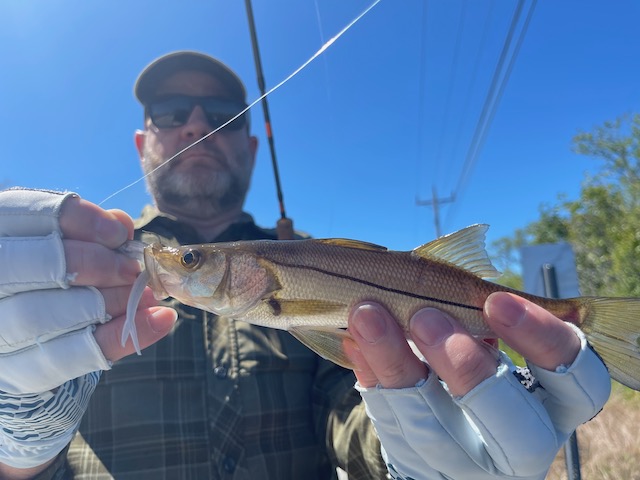
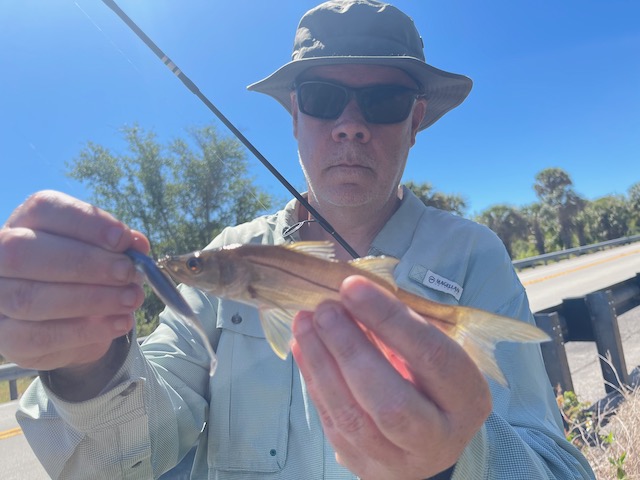
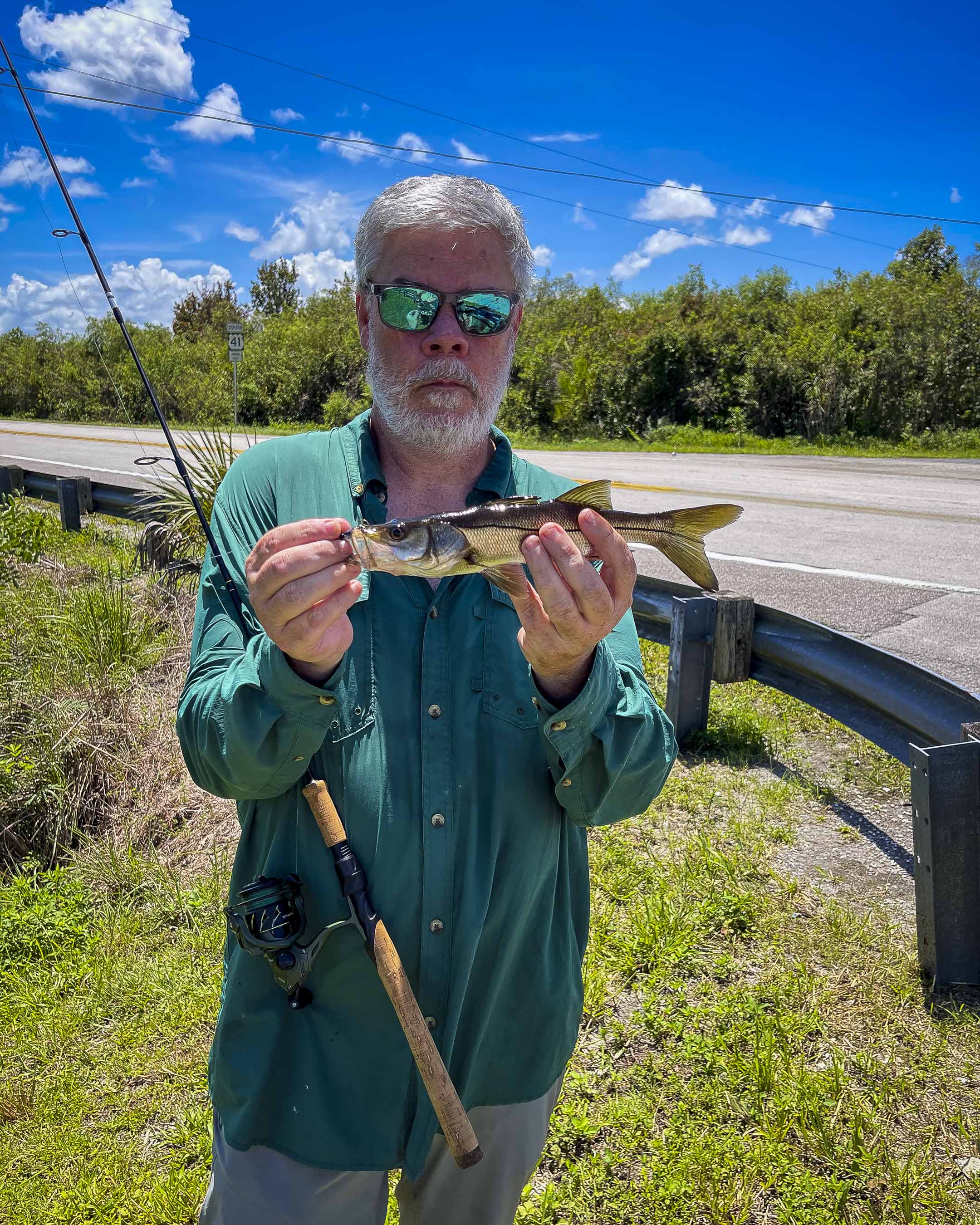
Somewhere in that stretch, Bret and Dave ran into the world’s two smallest snook—a blink-and-you-miss-it moment that still counts. And on the way back east, Dave decided it was time to check a box: Florida gar on the fly.
He posted up on the roadside, traffic blasting by a few feet away, and started slinging casts into the ditch while cars did 80 behind him. At one point, he made a backcast directly in front of an 18-wheeler.
“I made a backcast in front of an 18-wheeler that I should not have.” – Dave, later, on the podcast (Somehow this isn’t even close to the sketchiest thing we’ve seen out here.)
But the plan worked.
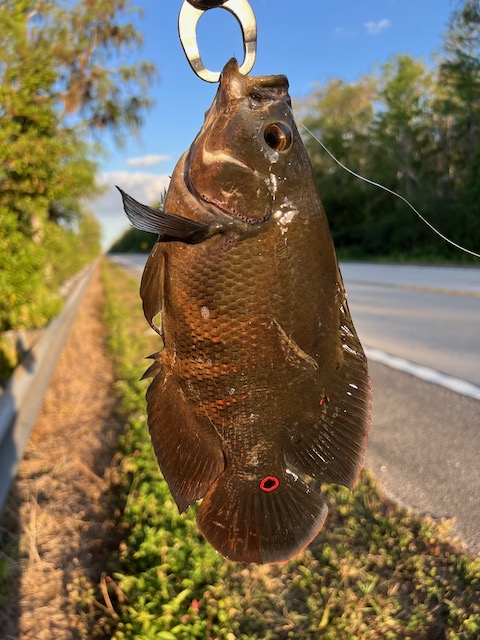
Dave stuck a lump of a Florida gar—legit size, legit eat. Before the gar, he landed Mayan cichlids, Jaguar cichlids, and Oscars (Astronotus ocellatus) on the fly. The full tropical medley, all within spitting distance of passing semis and gator-filled culverts.
Meanwhile, Luke got his first Florida gar on spinning gear—a rite of passage for any roadside ditch junkie.
No new weather, no new soundtrack. Just more sun, more gators, and more fish that shouldn’t be in the same body of water but are.
We’re not exactly sure what time Dave got in from Austin. He was supposed to arrive late the night before, but his airport experience wasn’t any smoother than ours. We finally all crossed paths at the hotel breakfast buffet—where the three of us did our patriotic duty by attempting to singlehandedly spike the GDP of coffee-producing nations.
After roughly two gallons of caffeine, we loaded up and drove west on Alligator Alley, light spinning gear in hand, ready for another mixed-bag blitz.
Only… the fish weren’t.
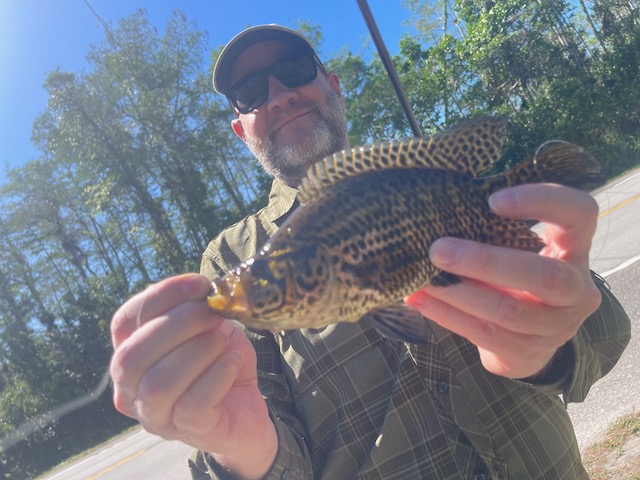
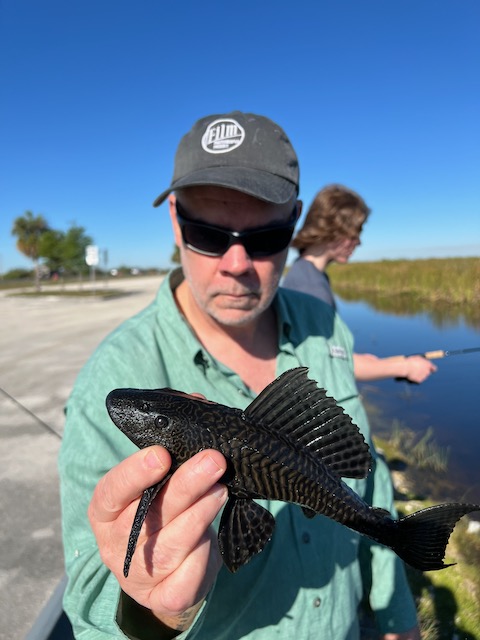
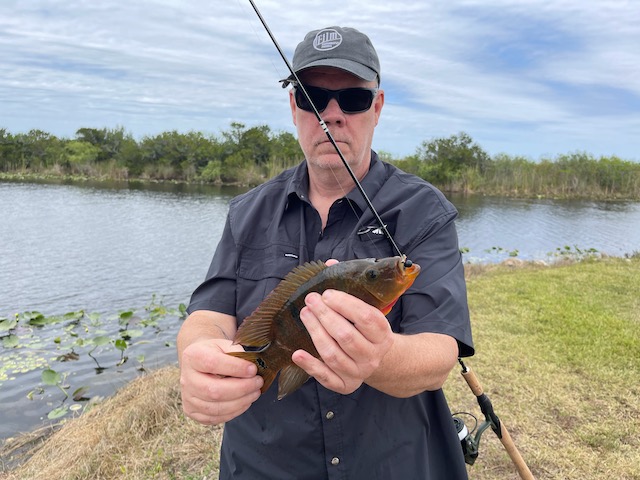
The morning bite was quiet. We picked off a few Mayan cichlids, and Dave and Bret each pulled a spotted sunfish (Lepomis punctatus), with Bret getting his on a fly rod just to flex. And then—because Florida is allergic to predictability—Bret somehow landed a pleco (Pterygoplichthys sp.) on a jig. A full-blown armored catfish. Not snagged. A legit eat. The kind of thing you might tell someone at a bar, and they’d slowly back away from you.
As we pushed further west, the fishing got even tougher. Long stretches of sun-glared water with no takes, no signs, no action. Just gar-shaped silhouettes turning up their noses and sunfish that had clearly read ahead in the script.
So, we made a call.
We dropped south to Highway 41 and started working our way back east. And almost immediately, the switch flipped.
Fish. Everywhere.
More Mayans. A surge of Florida gar—though Bret was the only one to actually land one. The rest just cruised by like toothy ghosts, teasing, following, vanishing.
Luke and Bret each picked up a surprise ladyfish (Elops saurus) in a ditch we didn’t even realize had salt in it. Because of course it did. It’s Florida—everything is brackish, especially the rules.
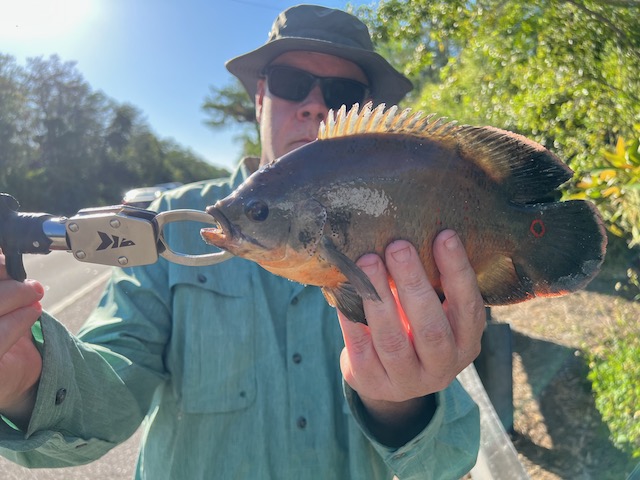
Dave closed strong with a perfect Oscar (Astronotus ocellatus)—the same fish you used to stare at in your dentist’s office as a kid, now eating jigs under a stretch of mangroves like it belonged there..
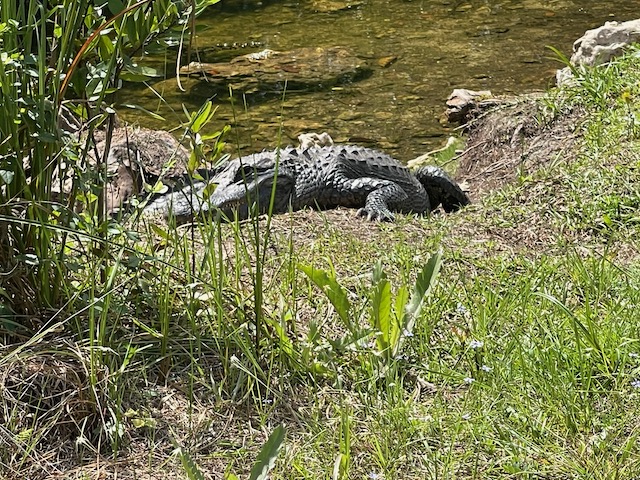
The bite was back on, but so were the gators.
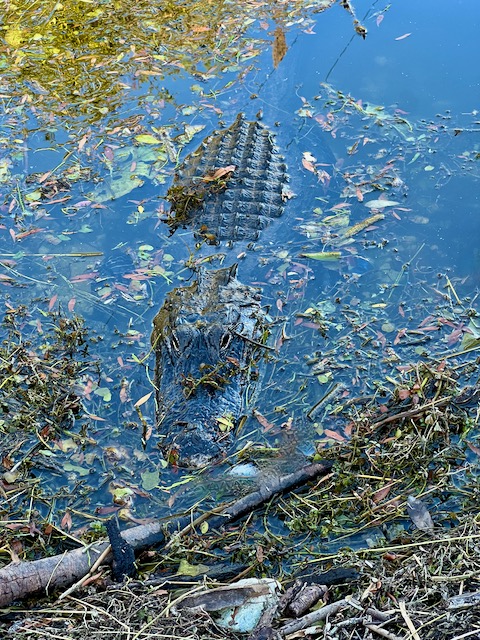
They were everywhere again. Big ones. Watching.
One particularly bold beast tried to grab a hooked Mayan at the bank. We took the hint and backed off. This isn’t a show. We’re not here to feed reptiles, no matter how many teeth they bring to the table.
By sunset, the cooler weather had burned off, the water was glass, and the day had gone full IFITSWIMS:
One hard-earned species list.
One unexplainable armored catfish.
A few dodged gator incidents.
And the knowledge that some ditches contain secrets. Salty, scaled secrets.
After a full serving of airport nonsense—weather delays, shifting plans, and whatever it is airlines do when they forget how time works—Luke and Bret touched down in South Florida around 11AM. Originally, they were supposed to be boots-on-the-ground the night before at 10PM. Instead, they landed jet-lagged and fish-starved, with zero interest in checking into a hotel.
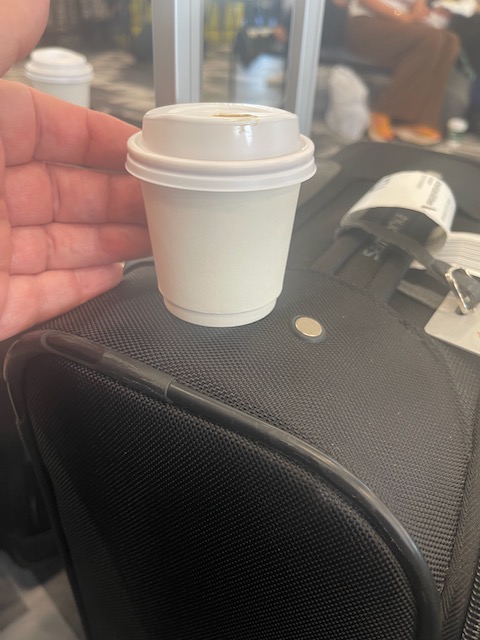
Taco Bell. Gas station coffee. First cast by noon.
They veered off 41, rolled down a dusty side road, and started chucking tiny soft plastics on light spinning gear. Think crappie-sized swimbaits behind jig heads—simple, twitchy, and just deadly enough.
And the fish wasted no time.
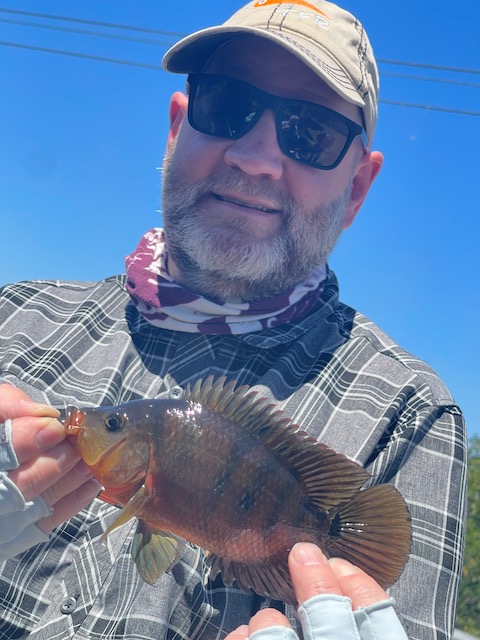
Mayan cichlids (Mayaheros urophthalmus) were hyper-aggressive—so much so that when a few massive Florida bass showed up in one of the ditches, they couldn’t even get a clean shot at a bait. The Mayans were faster, meaner, and absolutely everywhere.
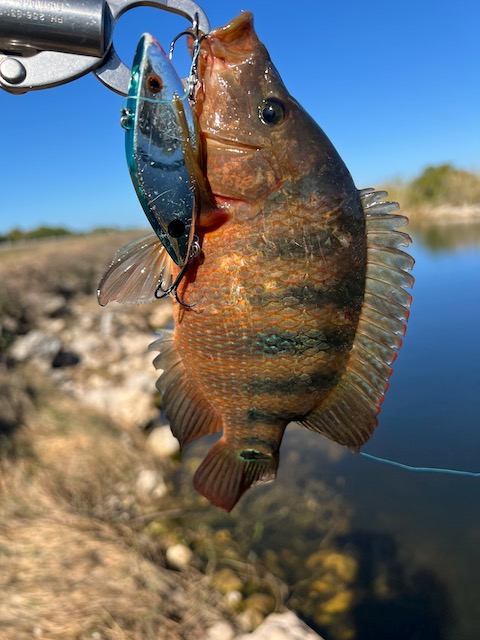
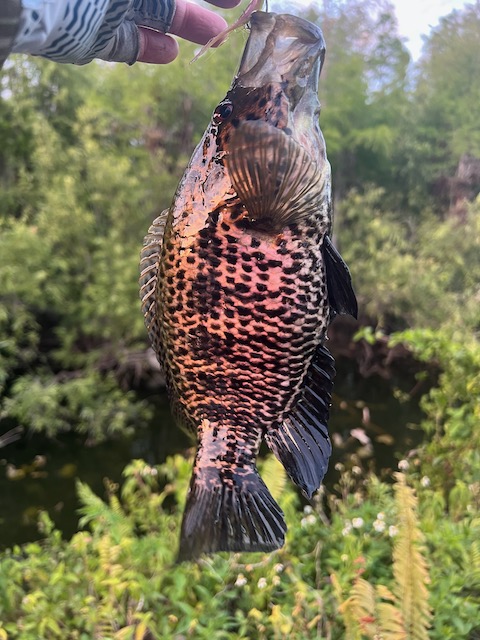
Double-ups on warmouth (Lepomis gulosus). Double-ups on Mayans. The kind of numbers day that makes you forget you’ve been awake since the night before at DFW..
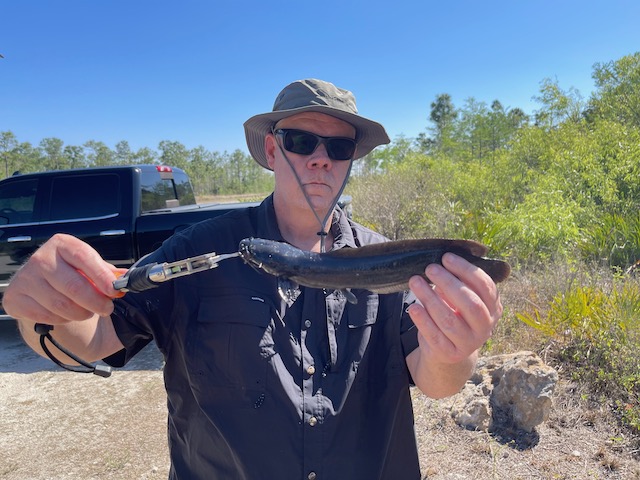
Then, out of nowhere, Bret stuck a walking catfish (Clarias batrachus)—because of course he did. A literal invasive air-breather showed up like it got lost on its way to a roadside puddle. The only thing missing was a soundtrack cue.
Big alligators kept a close watch. The sun never let up—not a single cloud, not a hint of wind, just full-beam, skin-toasting stillness. A couple of birders wandered by, quietly counting feathers while soft plastics were getting hammered five feet away. And somewhere in the middle of it all, National Park officers stopped by for a license check (they were polite, and yes, everything was in order).
All of it soundtracked by the static punch of The Shark, a South Florida alt-rock station that runs on Alice in Chains, Nirvana, Soundgarden, and just enough late-’90s angst to glue it all together. A perfect blend of Bret and Luke’s musical leanings—and somehow, the perfect score for ditch fishing on no sleep.
The luggage was still baking in the rental. The hotel was just a name on a reservation screen.
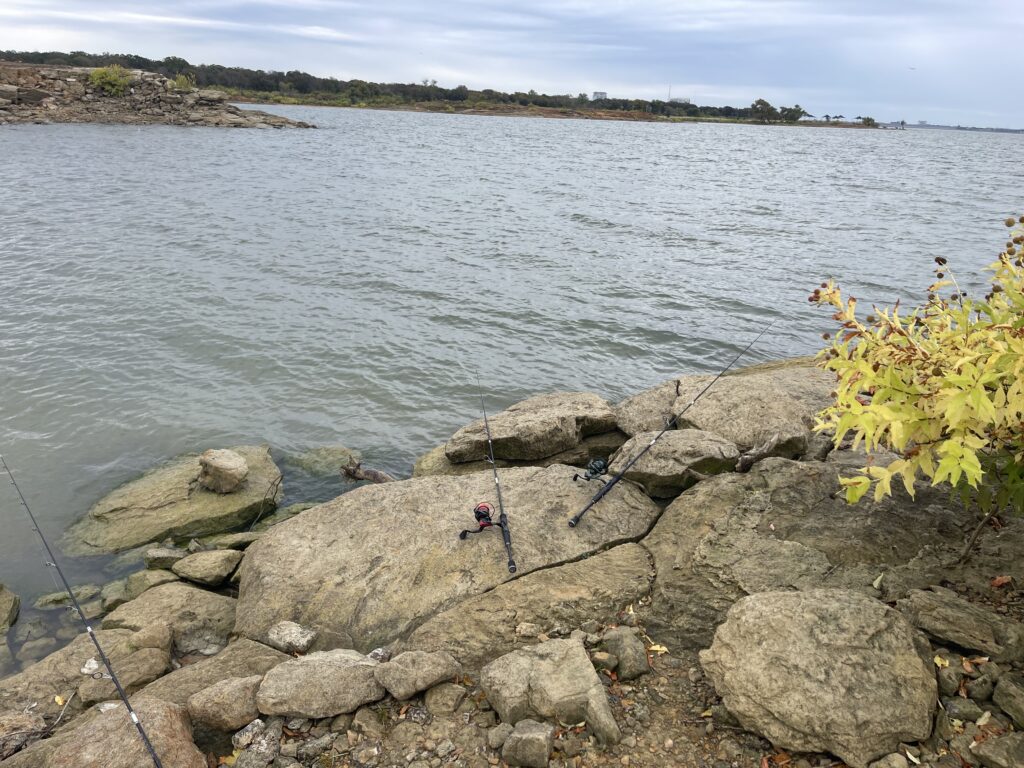
The air was sharp with the bite of a passing cold front, the kind that turns still waters into churning, restless currents. Lake Grapevine, nestled in the heart of Texas, had a quiet yet brooding presence under the slate-gray sky. The kind of day where only the bold venture out, rods in hand, chasing the thrill of the unknown.
Bret stood at the rugged shoreline, his rods perched against the jagged rocks like sentinels. The lake stretched out before him, the winds whispering secrets of where the fish might be hiding. Armed with determination and bait, he cast his line into the murky depths, the rhythmic sound of the water a melody of adventure.
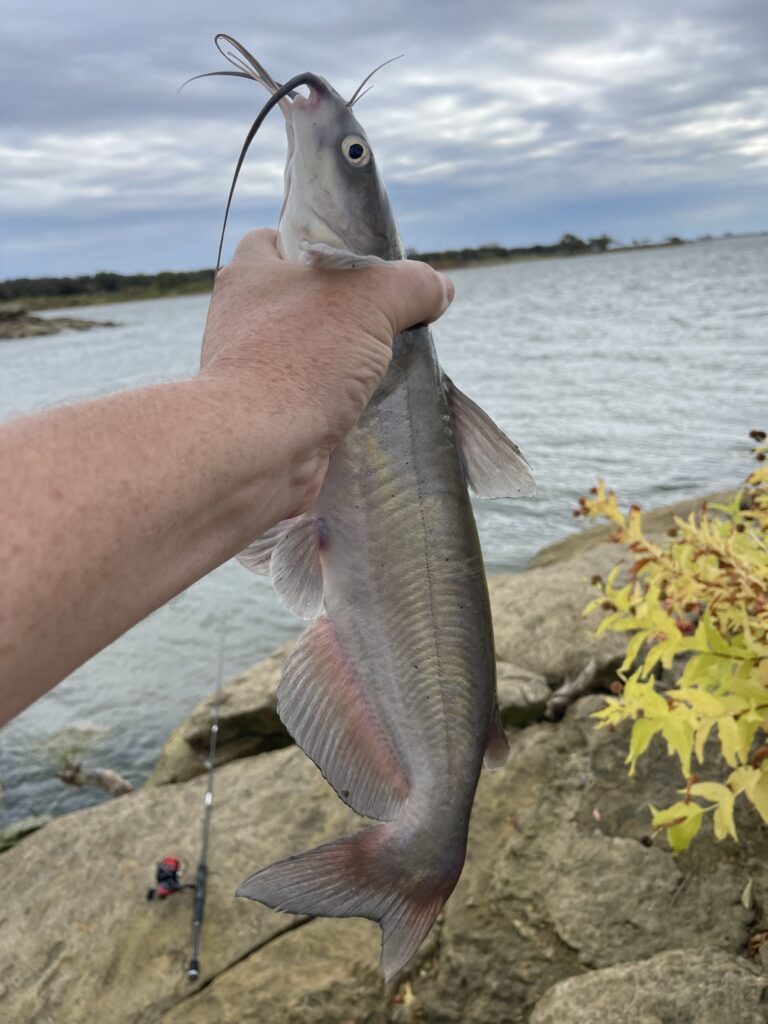
Hours passed, marked by the occasional ripple of water breaking the silence. Then, a tug—sudden and insistent. With practiced hands, Bret set the hook and braced himself. His prize emerged: a feisty channel catfish, its whiskered face glinting in the dull light. One after another, they came—strong, wiry fighters that tested his skill and patience. Even a couple of carp joined the fray, their strength a testament to the untamed spirit of the lake.
As the day wore on, the chill of the wind was forgotten in the thrill of the catch. Each fish brought a sense of triumph, a small victory against nature’s odds. But the adventure didn’t end at the water’s edge.
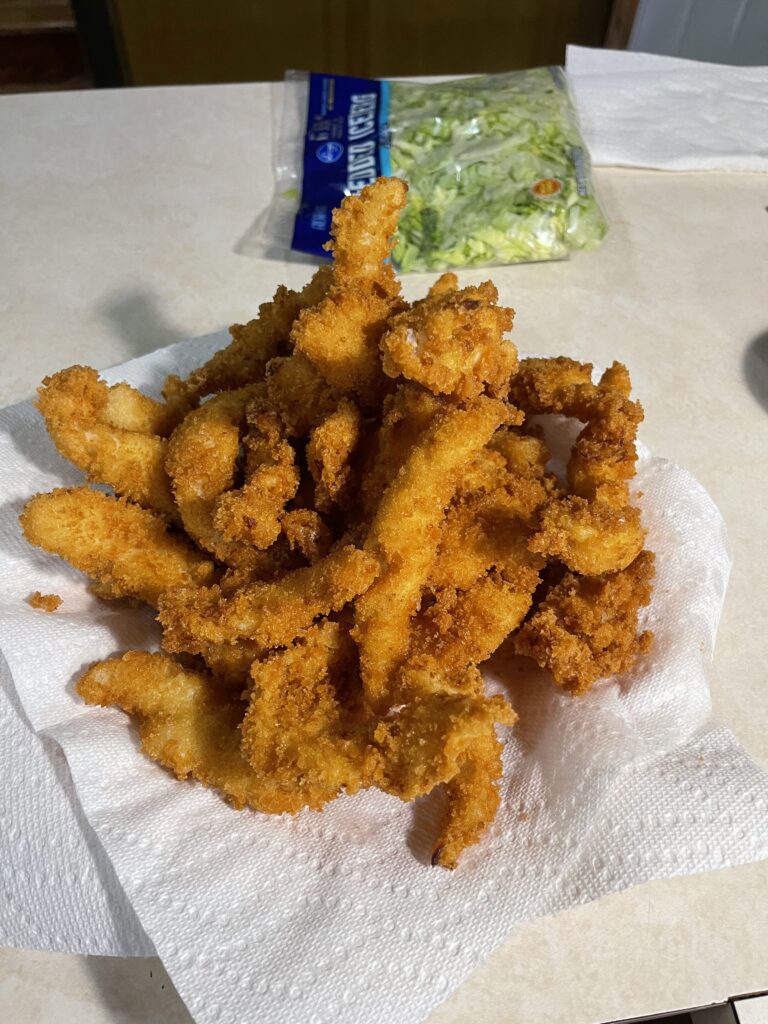
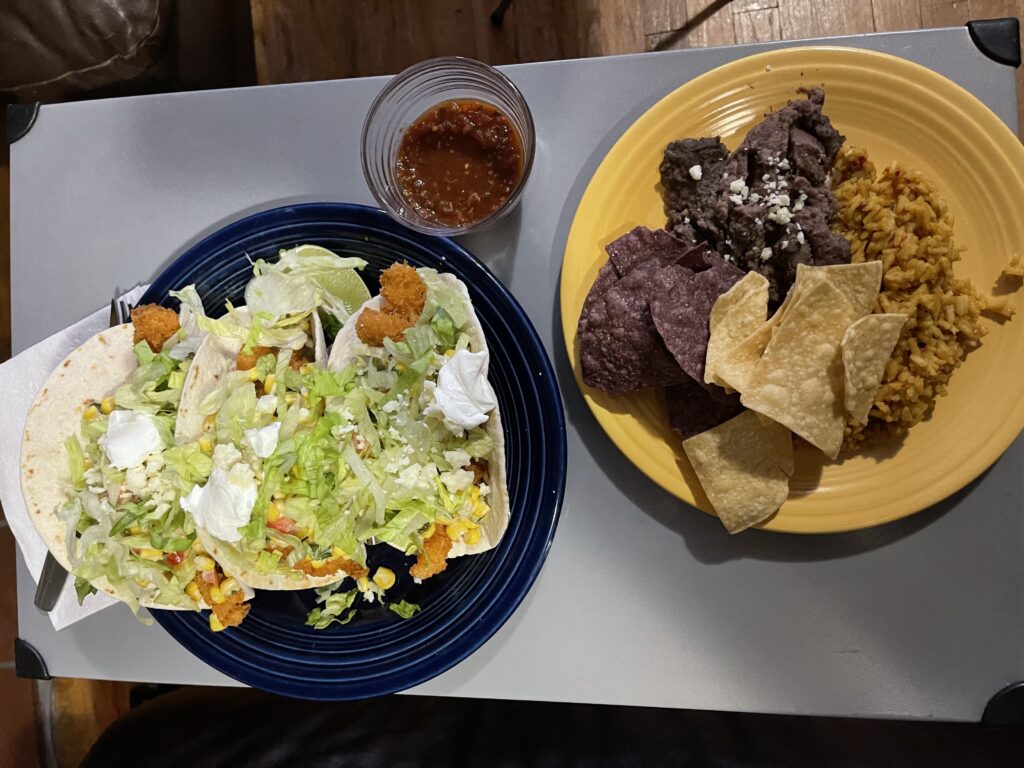
That evening, Bret’s hard-earned bounty transformed into a feast. The golden, crispy catfish filets, fried to perfection, became the centerpiece of hearty fish tacos. The tacos were crowned with crisp lettuce, vibrant corn salsa, and a dollop of creamy sour cream—a reward worthy of the day’s effort.
It was a day to remember, where perseverance met the unpredictable beauty of nature, and every bite told the story of a cold front, a lone angler, and the riches of Lake Grapevine.
Bret hit the shores of Lake Grapevine on a crisp morning, rods ready and spirits high. The goal? Some solid runs from channel catfish and maybe a hefty carp or two. While the big fish stayed elusive, the smaller ones kept the lines busy all morning.
First up were the carp. Small, scrappy, and plentiful, they tugged at the line just enough to keep Bret on his toes. Each one shimmered golden in the sunlight, their scales flashing hints of copper and orange, but none carried the heft he was hoping for.
The channel catfish were next. Though they came in modest sizes, these sleek silver fighters still had enough kick to make the catches worthwhile.
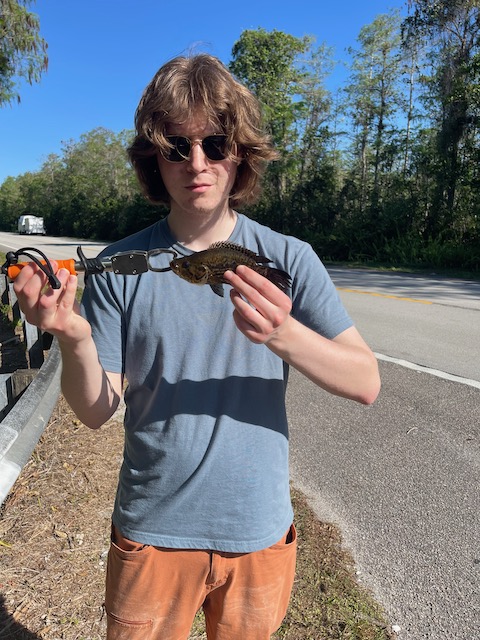
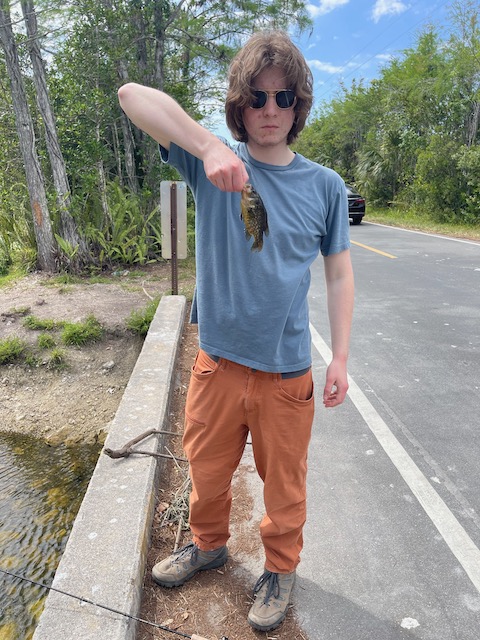
Bluegills and a longear sunfish also joined the party. The bluegill sparkled with their signature hues, while one longear stretched just a bit longer than its companions—another highlight in a morning of variety.
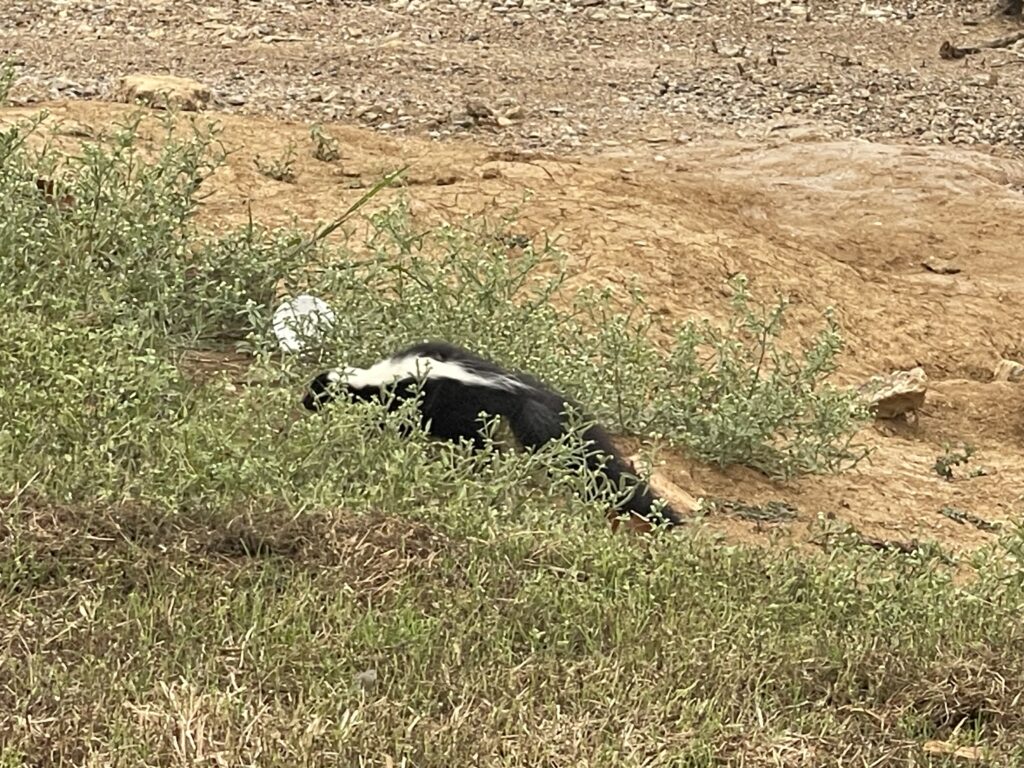
But the real wildcard of the day wasn’t a fish at all. Midway through the outing, Bret spotted a skunk ambling along the shoreline. With its unmistakable black-and-white markings, the little creature casually explored the underbrush, adding a touch of nature’s unpredictability to the fishing trip. Luckily, the skunk seemed more interested in foraging than causing a stink, and it eventually wandered off without incident.
Though there were no trophy catches to boast about, it was one of those mornings where the experience itself made it all worthwhile. Between the constant action, the array of species, and the wildlife encounter, Lake Grapevine once again proved why it’s such a beloved spot for anglers.
As the saying goes, “If it swims, it’s fair game”—and this trip certainly delivered on that promise, even if the biggest fighters were taking the day off.
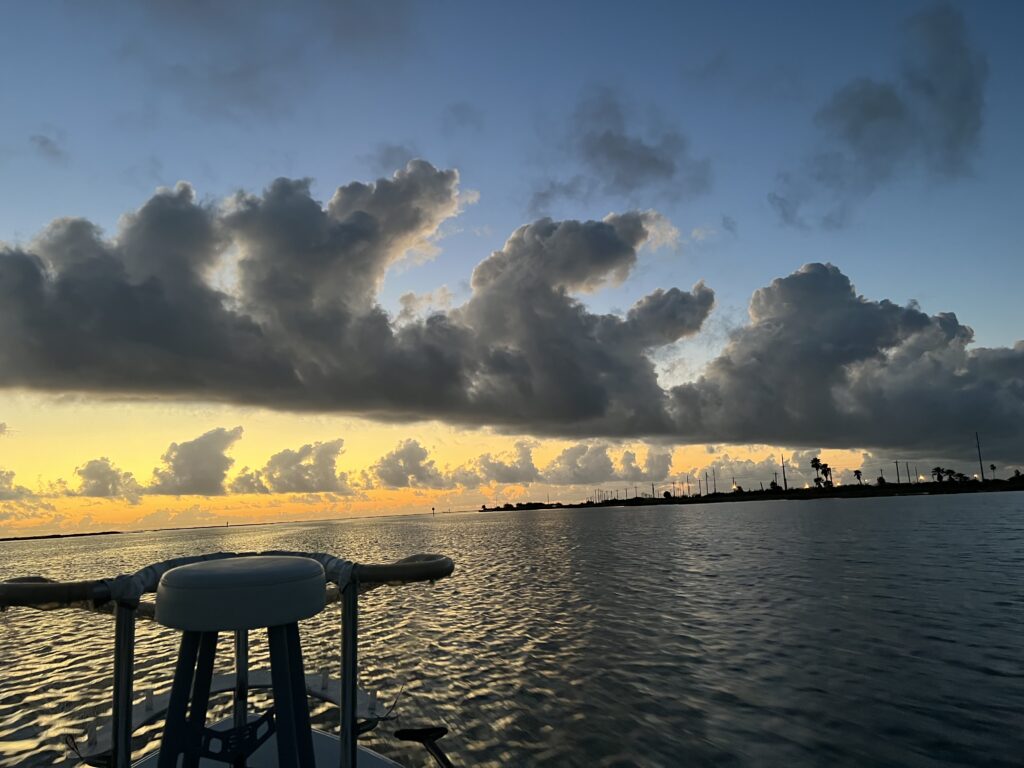
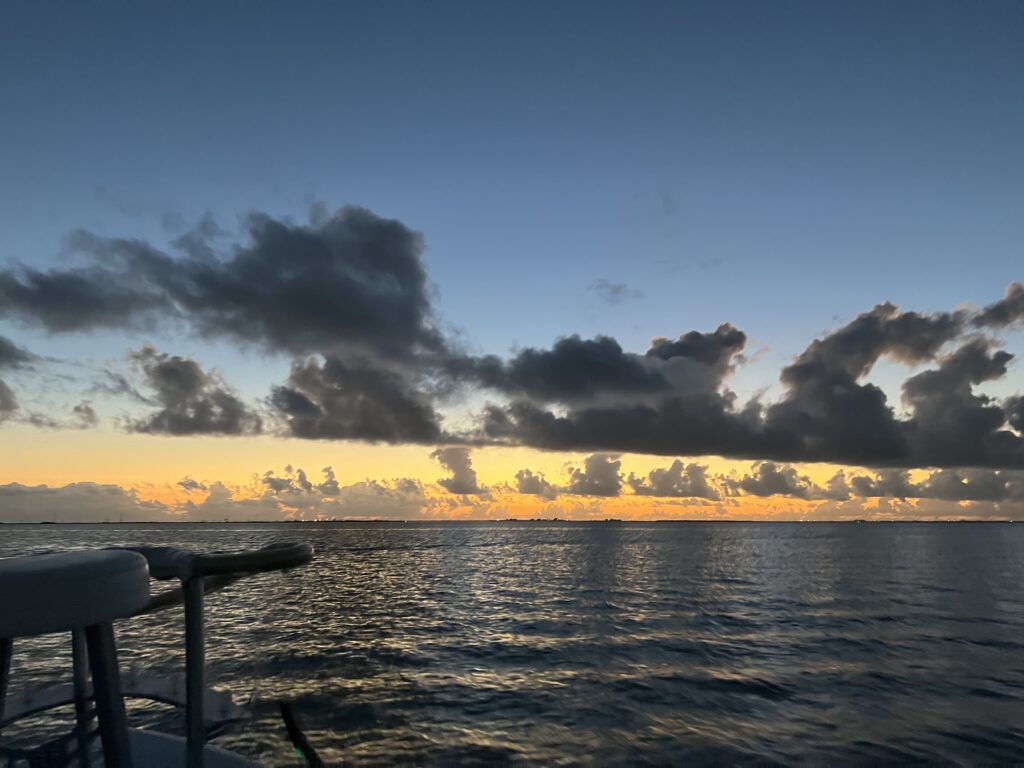
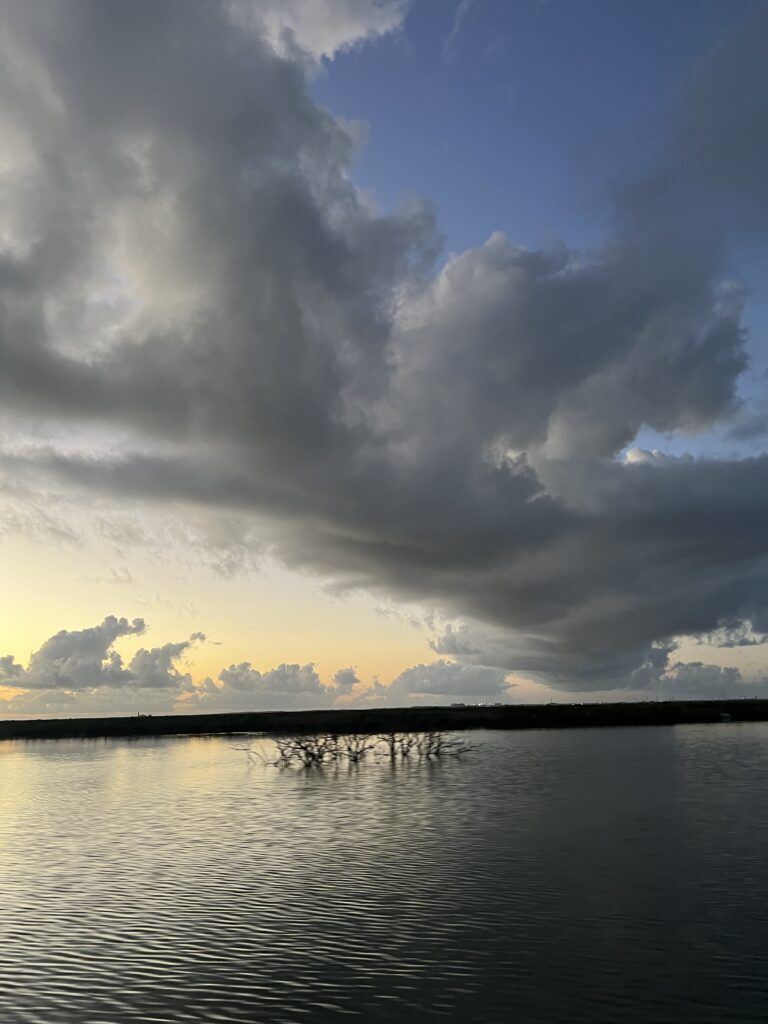
The Texas coastline set the stage for a picture-perfect morning of fly fishing, with Dave armed and ready to sight fish for redfish. As the first light of dawn broke across the horizon, the water transformed into a mirror reflecting fiery oranges and golds. Towering clouds stretched across the sky, their dramatic shapes casting shifting shadows on the shallow flats. For any angler, it was the kind of moment that reminds you why you love the sport.
Dave’s approach was all about precision. With a fly rod in hand, he scouted the flats under the morning’s soft light, searching for the subtle movements that signal a cruising redfish. The sight fishing game demanded focus, patience, and just the right amount of finesse. The payoff came quickly—Dave spotted the telltale ripple of a redfish tail breaking the surface, its silhouette barely visible beneath the glassy water.
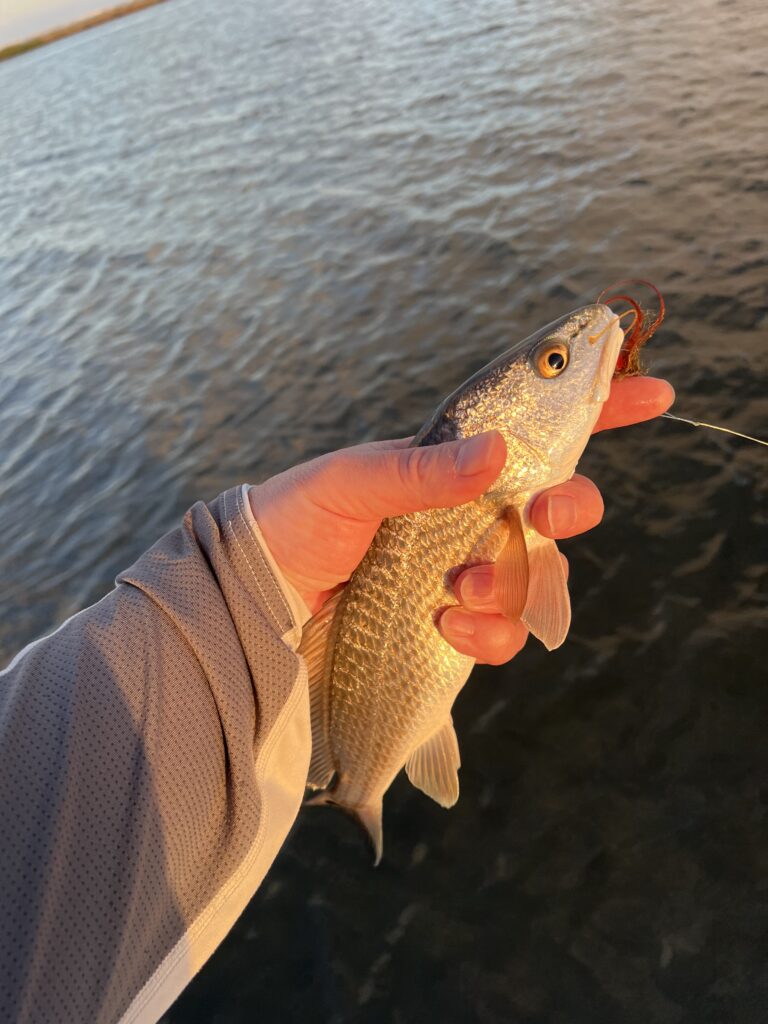
A smooth cast, a few quick strips, and the first red took the fly. It wasn’t a monster, but its scales shimmered golden in the rising sun, like a treasure pulled straight from the sea. The fight was spirited, the fish darting through the shallows before Dave brought it in for a quick release.
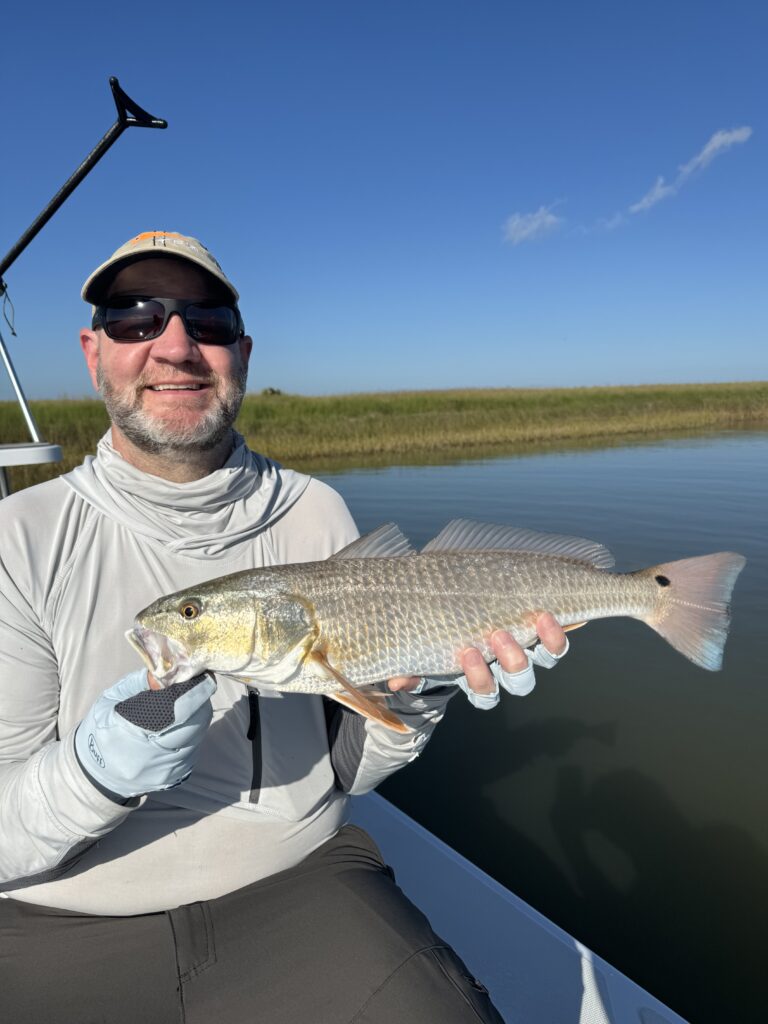
As the morning progressed, the action heated up. Dave locked onto several more reds, their shadows gliding just beneath the surface. Each encounter was a delicate dance, matching the fly’s presentation to the fish’s movement. One standout catch was a textbook-perfect redfish, bold and sturdy with a striking black tail spot. It hammered the fly with a sudden burst of energy, testing both rod and angler before finally coming aboard. With the lush coastal marshlands behind him, Dave held up the fish for a quick photo, the kind of trophy moment every fly angler lives for.
This wasn’t just fishing—it was an artful pursuit, combining the thrill of the chase with the serenity of a coastal sunrise. Between the breathtaking clouds, the challenge of sight fishing, and the undeniable beauty of the redfish, the Texas coast once again delivered a morning to remember.
For our last day in Florida, we decided to take a step back from the relentless fishing and embrace the spirit of exploration, allowing the landscape to unfold before us one last time.
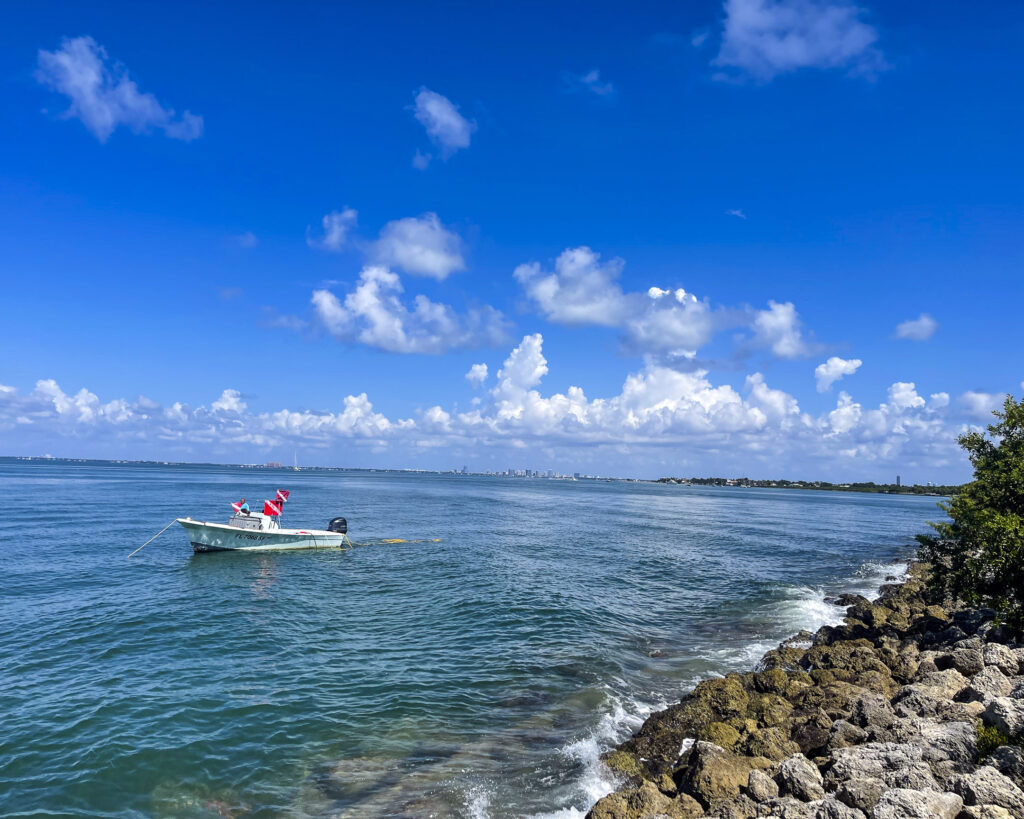
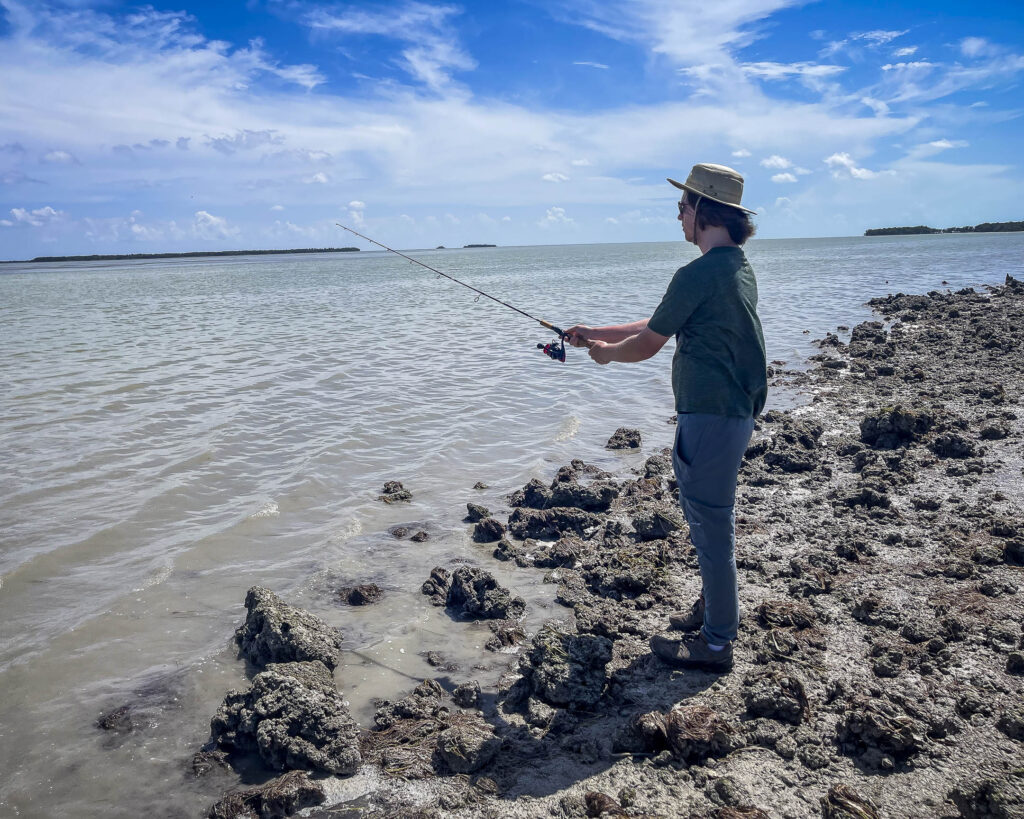
We began our morning on Biscayne Key, casting into the Atlantic as the sun rose behind us. The sight of Miami’s skyline in the distance, was a great view for the the start of this day.. It was a far cry from the dense, swampy wilderness we had become accustomed to, but the thrill of fishing with the Atlantic stretching out before us was undeniable.
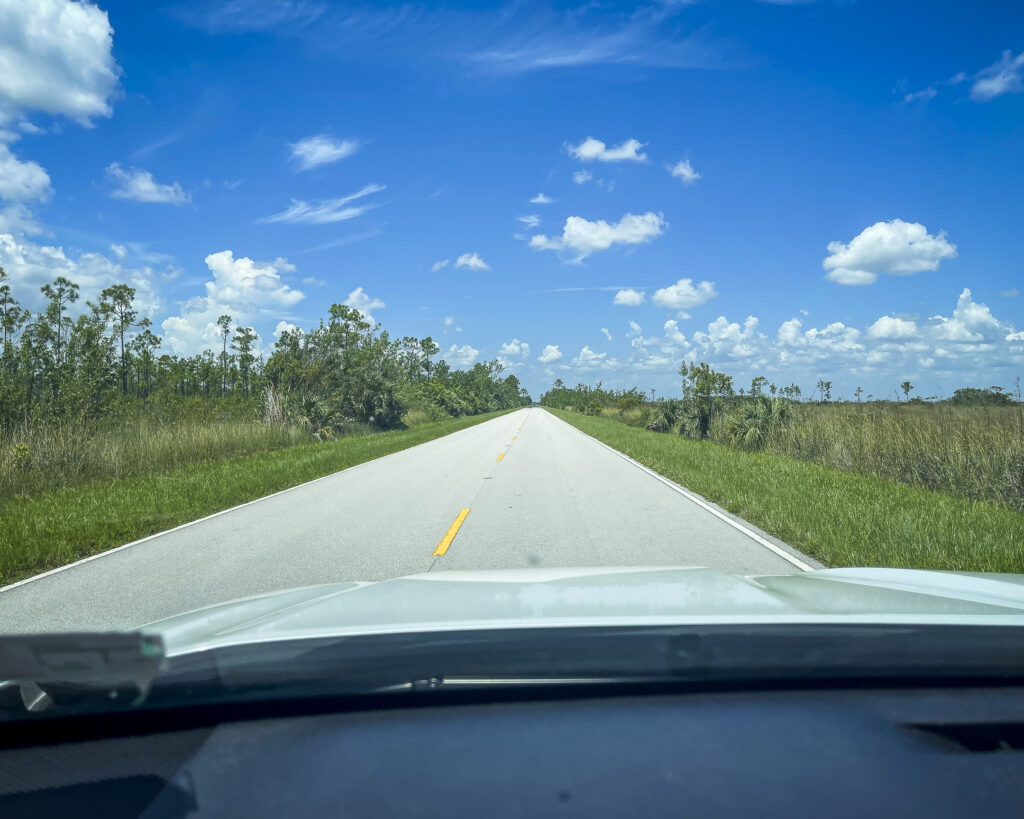
After a few casts and a few more moments to soak in the view, we crossed back over the causeway, leaving the city behind as we ventured toward the vast and untamed expanse of Everglades National Park. Of course, we couldn’t resist the call of the canals along the way. With each bridge we crossed, the temptation to stop and fish was too strong to ignore. Peacock bass found our lures once more, reminding us that the wild was never far, even on the road to the park.
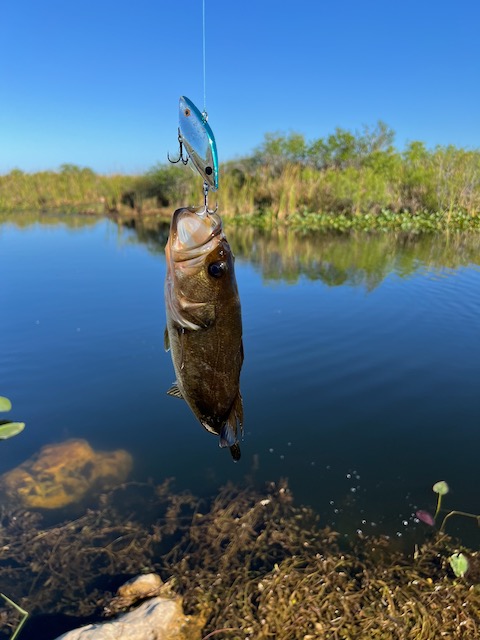
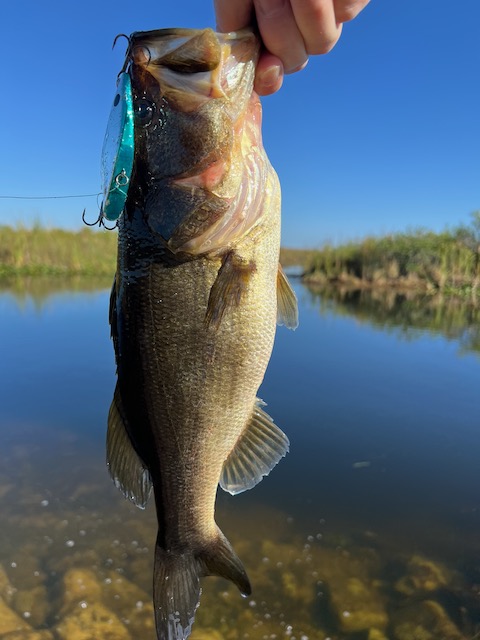
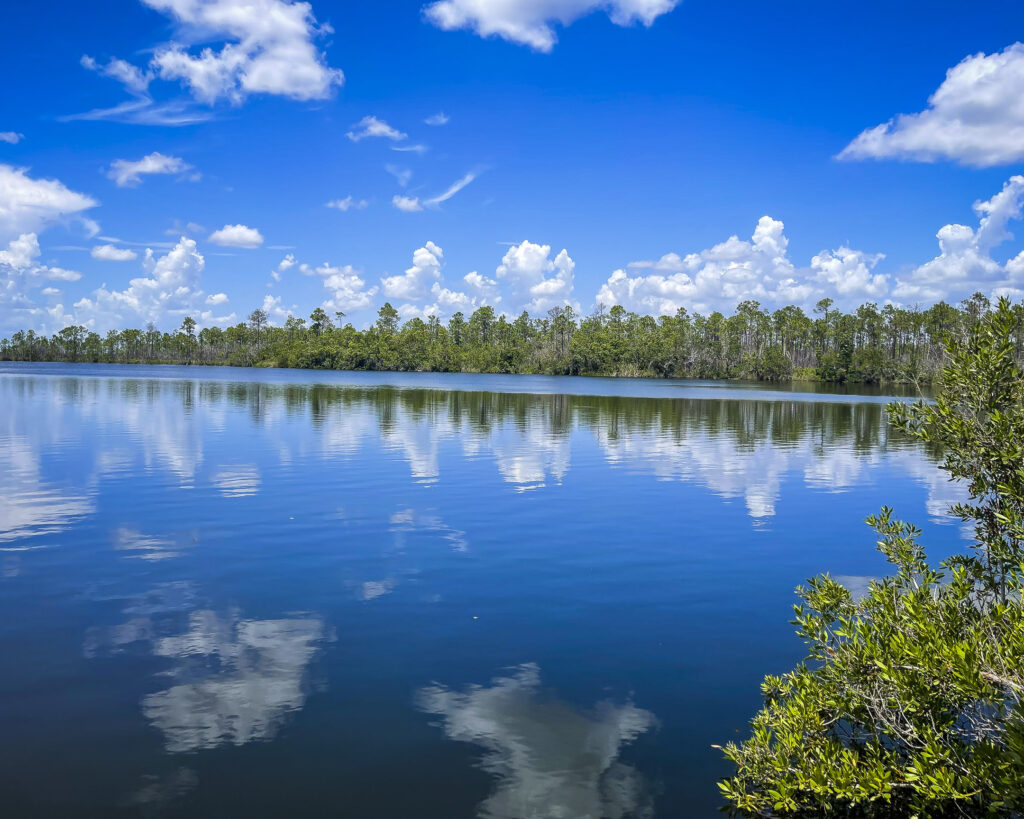
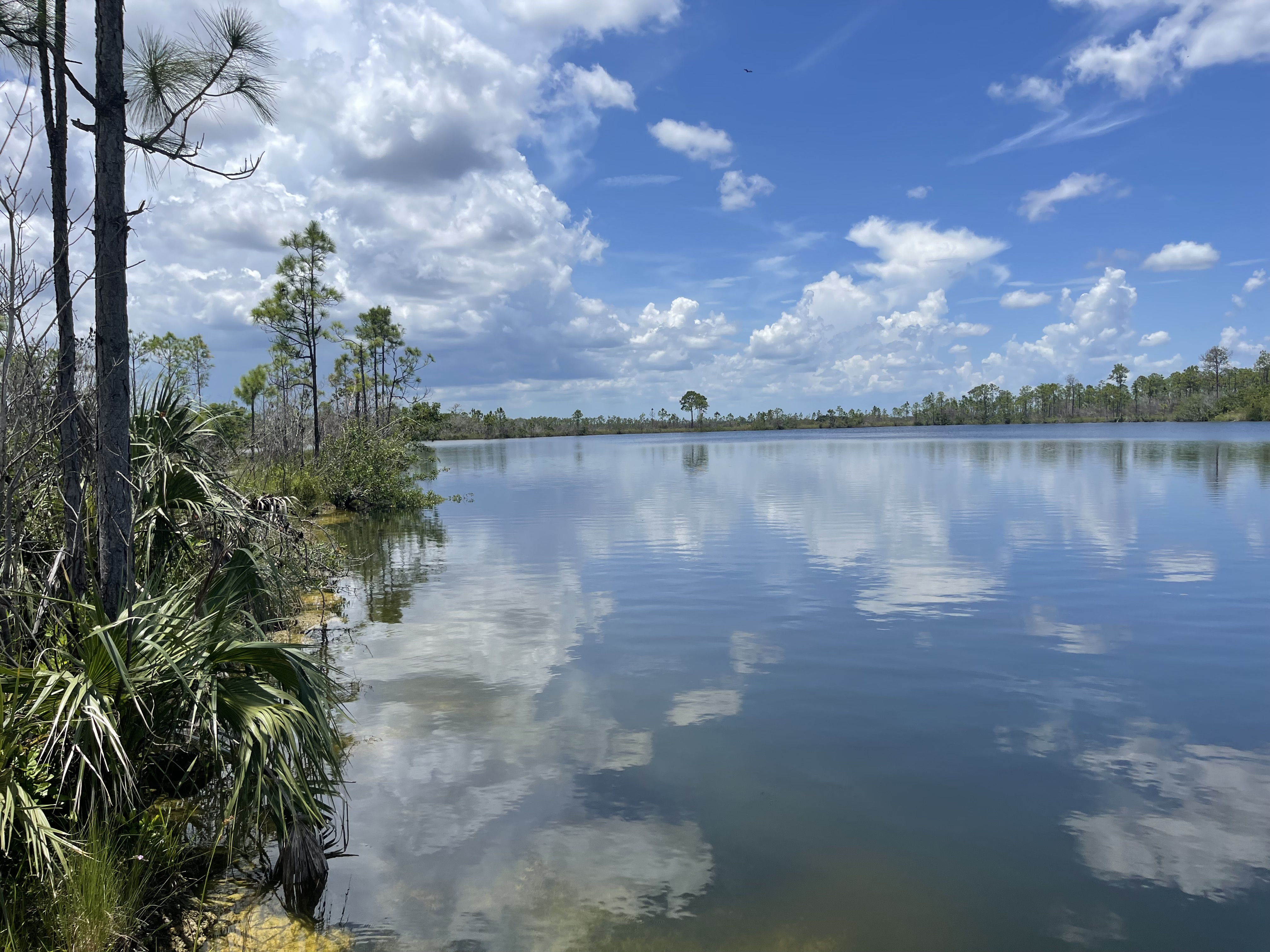
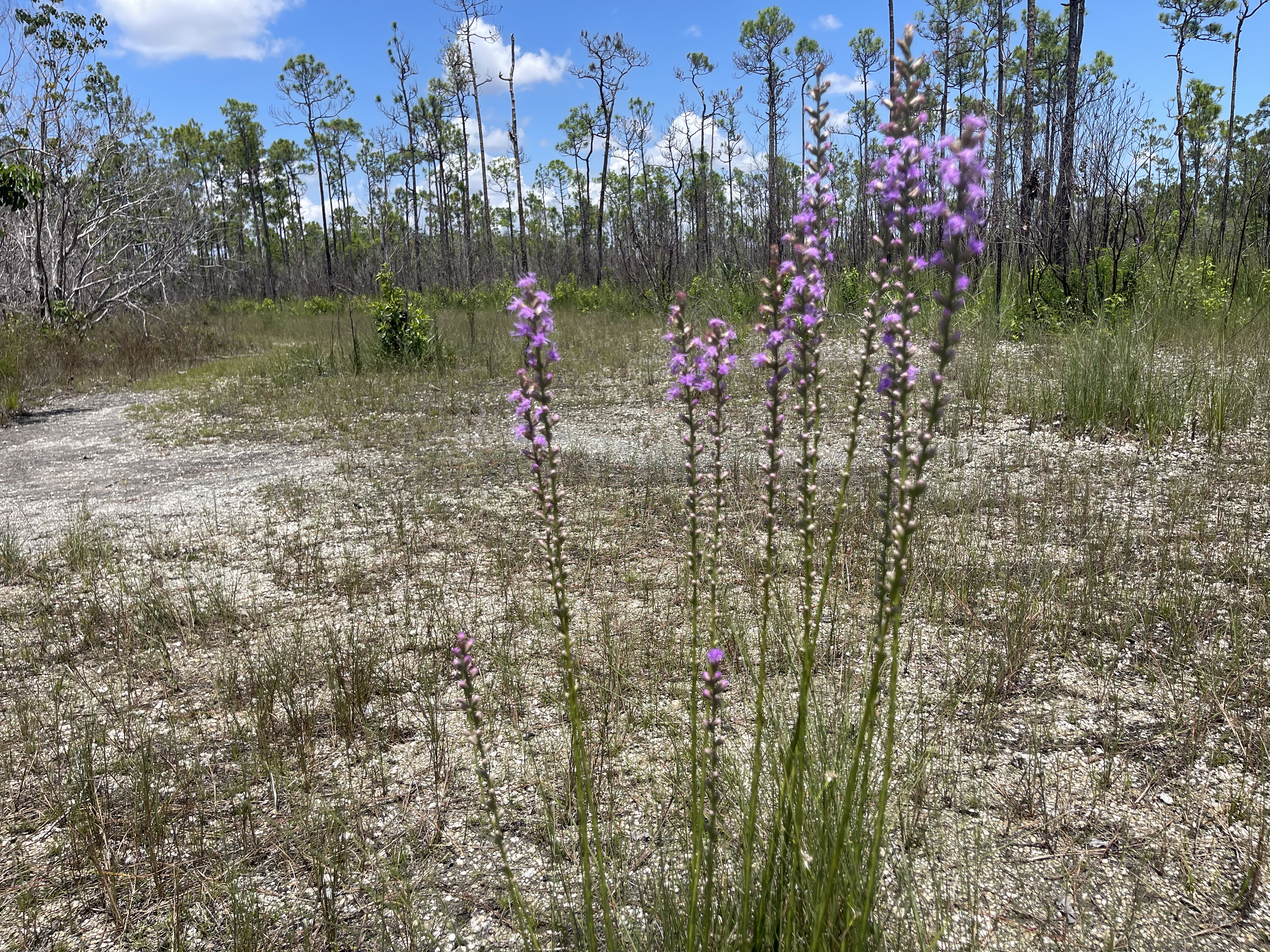
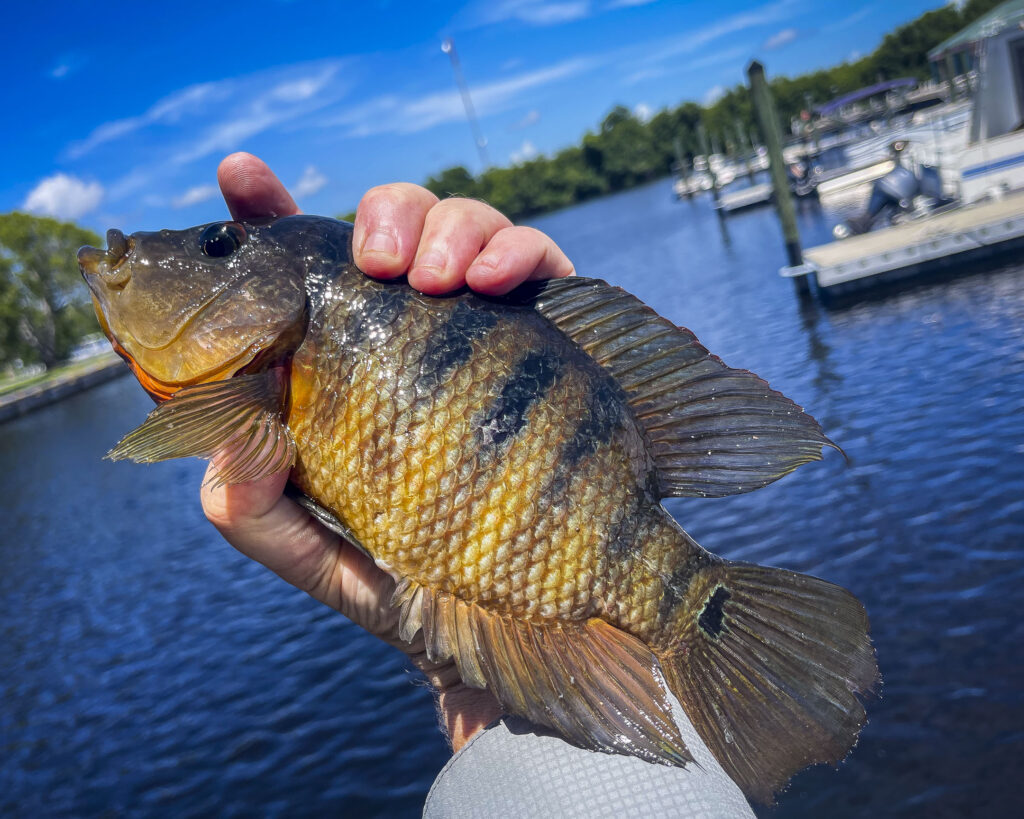
Entering Everglades National Park felt like stepping into another world—a sprawling, ancient wilderness where time slows down, and nature reigns supreme. We fished some of the secluded ponds, pulling in small largemouth bass and sunfish, each one a reminder of the countless hidden corners of this vast ecosystem. But today was about more than just the catch.
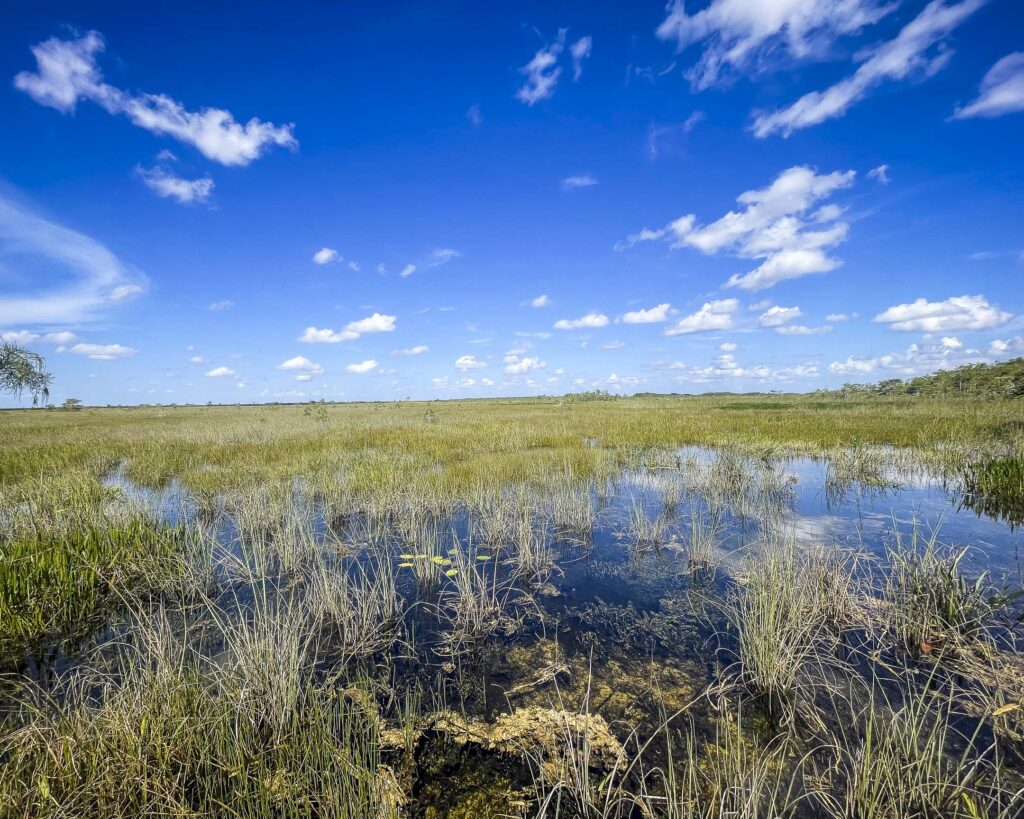
We wandered the boardwalks, gazing out over the endless sea of grass that is the Everglades. The observation tower offered a breathtaking panorama, a reminder of just how small we are in the face of such immense, untouched beauty.
At Flamingo, the southernmost point of the mainland, we cast our lines once more, not out of expectation but out of respect for the journey that had brought us here. The Mayan cichlids bit with enthusiasm, and I couldn’t resist casting into the southernmost waters I could reach. It was more than just fishing; it was a connection to the land, a way of marking the end of an epic adventure.
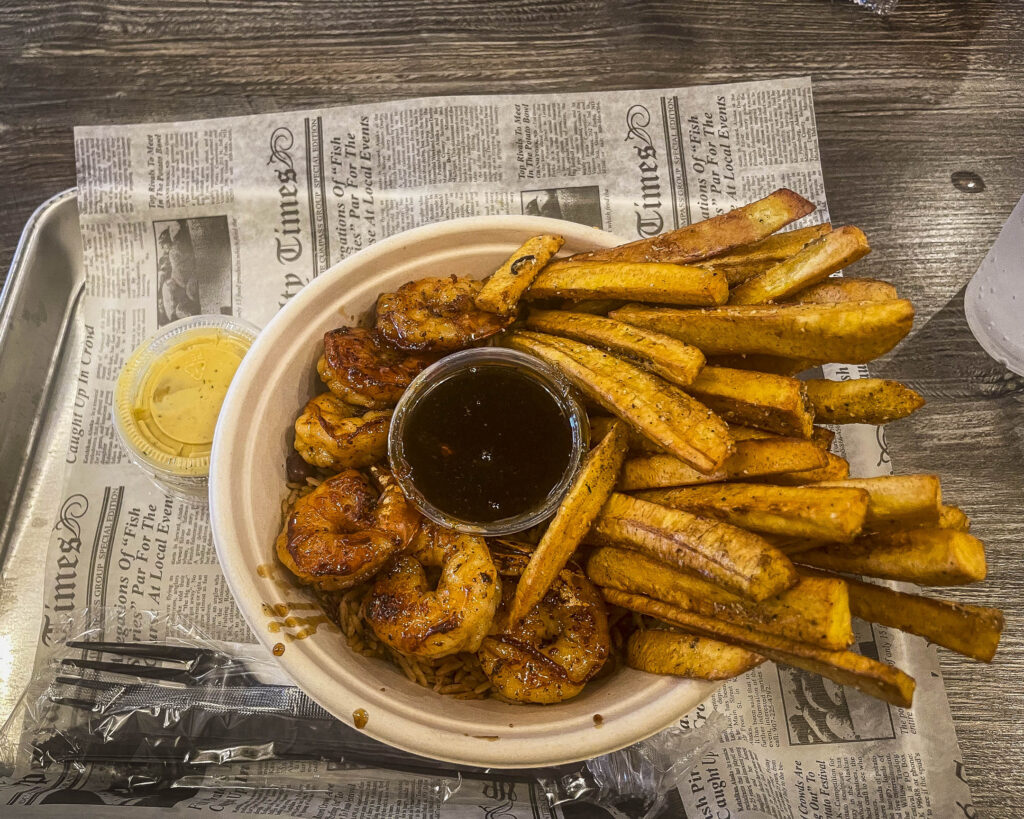
As the day wound down, it was time for one last dinner, and I finally found some —conch fritters. The fritters along with jerk shrimp over rice and beans, and plantain fries. The flavors of the Caribbean danced on our tongues, a fitting tribute to the vibrant, wild spirit of Florida.
Tomorrow, we’ll board our flight home, leaving behind this land of endless water and infinite possibilities. But as we reflect on the adventures, the catches, and the moments of pure wonder, one thing is certain—I’ll be back.
Today was the pinnacle of our expedition, the heart of the adventure we had come to conquer. The Tamiami Trail, known to locals as simply “41,” is more than just a road—it’s a passage through time, cutting deep into the wild heart of the Everglades. Older, wilder, and more remote than Alligator Alley, this stretch of highway promised untamed waters and the thrill of the unknown.
As we ventured across the state, the excitement was palpable. This was what we had been waiting for. Before we even left the city limits, the canals were teeming with life. Peacock bass were caught immediately, their vibrant colors flashing in the early morning light. But as we pushed deeper into the Everglades, the landscape changed, and the fish began to appear in numbers that bordered on the surreal.
We lost count of the peacock bass and mayan cichlids we caught. Largemouth bass joined the fray, along with an unexpected Oscar—a new species for me, and a testament to the rich biodiversity of these waters.
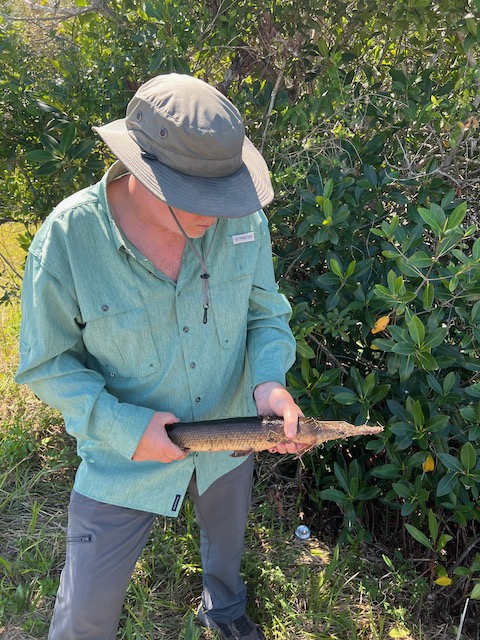
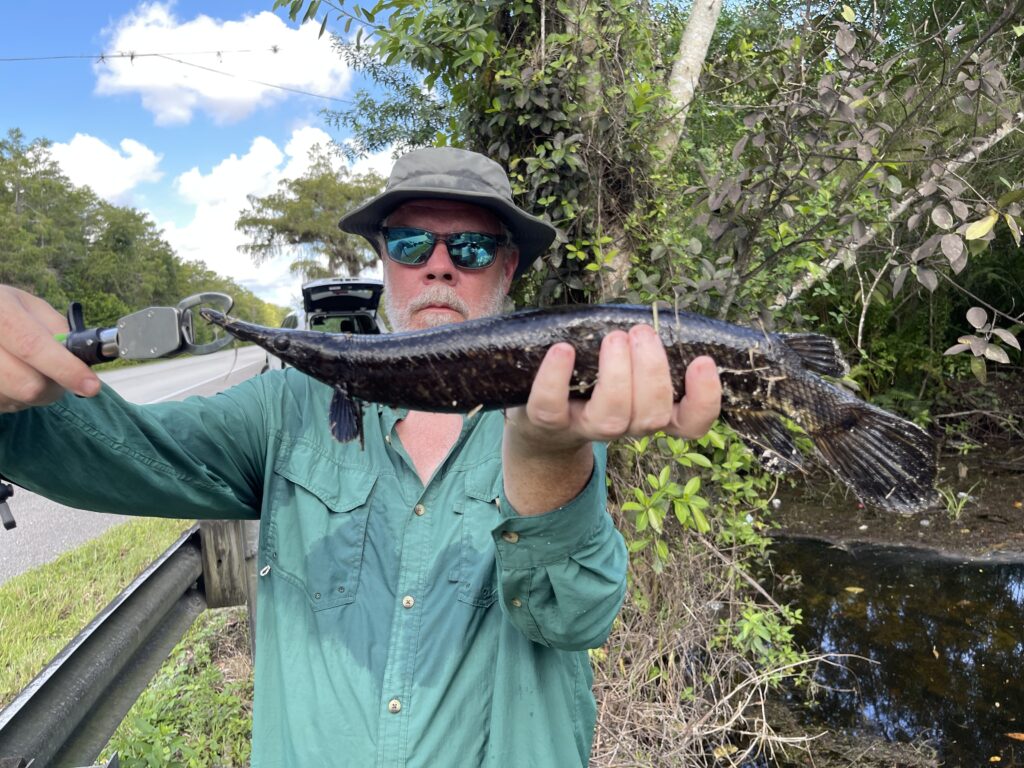
Then, something I had been waiting for—a Florida gar. I’ve spent countless hours on the trail, spotting these elusive creatures and working to this very moment. When I finally landed, it was nothing short of electrifying. This wasn’t just any gar; it was a melanistic specimen, its dark, shadowy form unlike anything I had ever seen. With this catch, I reached four gar species across two states.
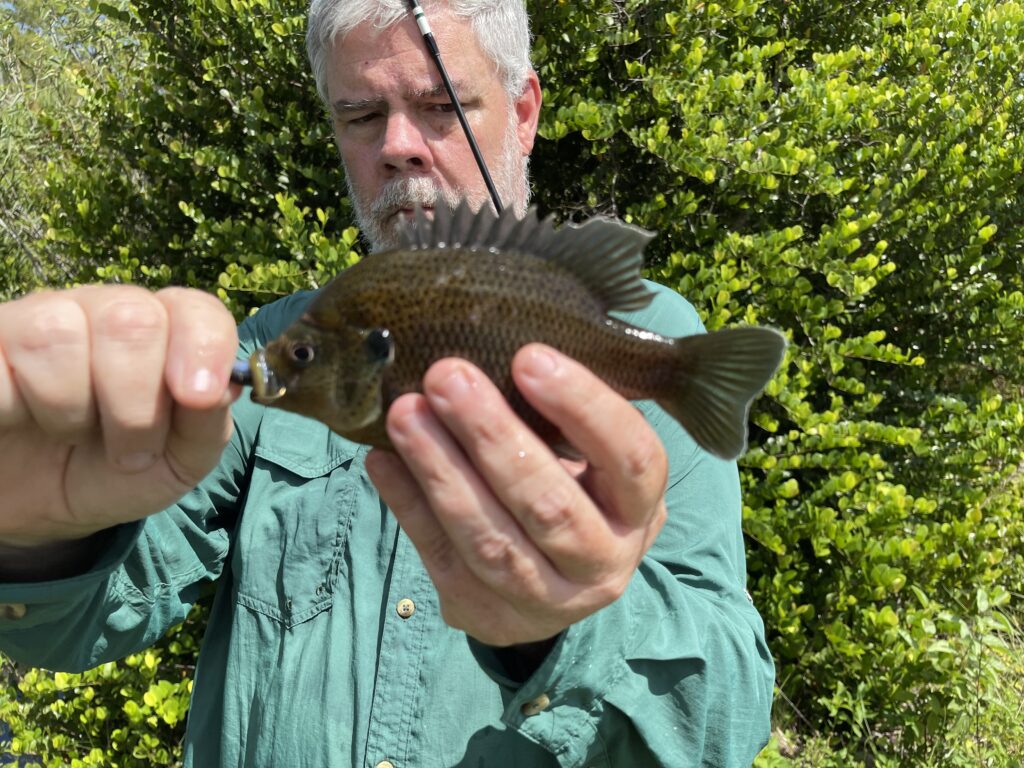
In a landscape dominated by invasive species, it was a welcome change to hook into a native bluegill, a reminder that these ancient waters still hold their original secrets. But the day was far from over.
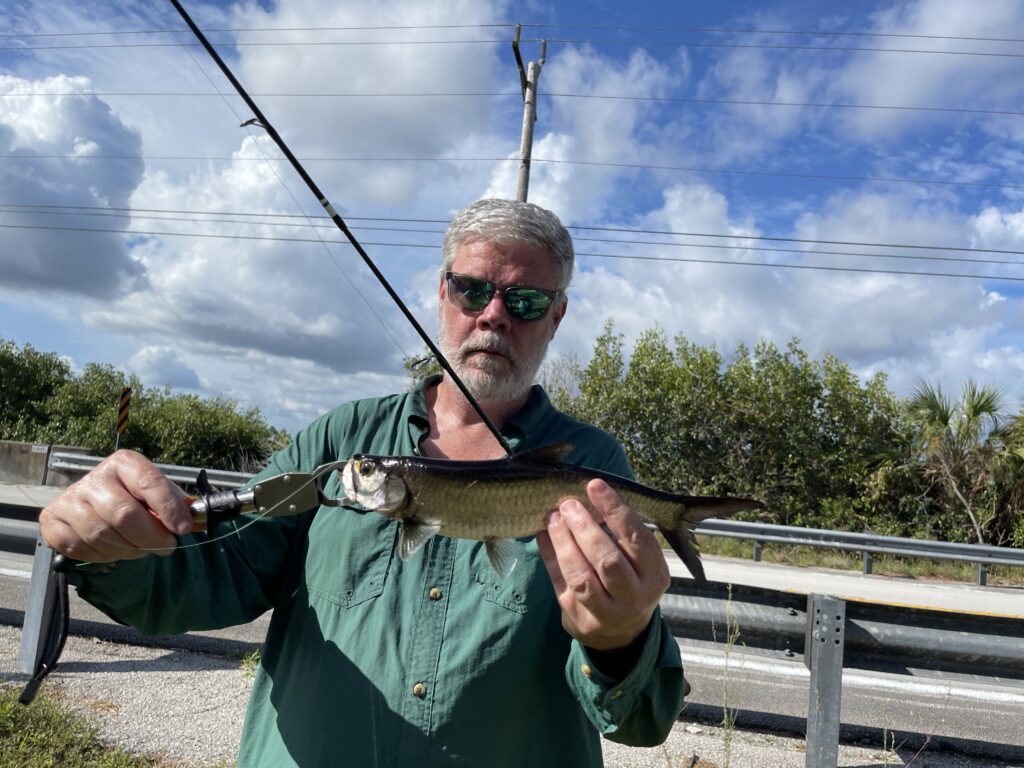
As we journeyed further west, the scenery shifted once more, and with it, the fish. Tarpon began to appear, their silver bodies slicing through the water with the promise of a fight. Although they weren’t in the mood to eat, their mere presence added a sense of grandeur to the day.
Then came the snook. The first one was a milestone, marking the beginning of a frenzy that would last for hours. These sleek, powerful fish kept us on our toes, each one a thrill to reel in.
But the day’s true surprise came when we detoured toward Everglades City, casting our lures around bridges that span the murky waters.
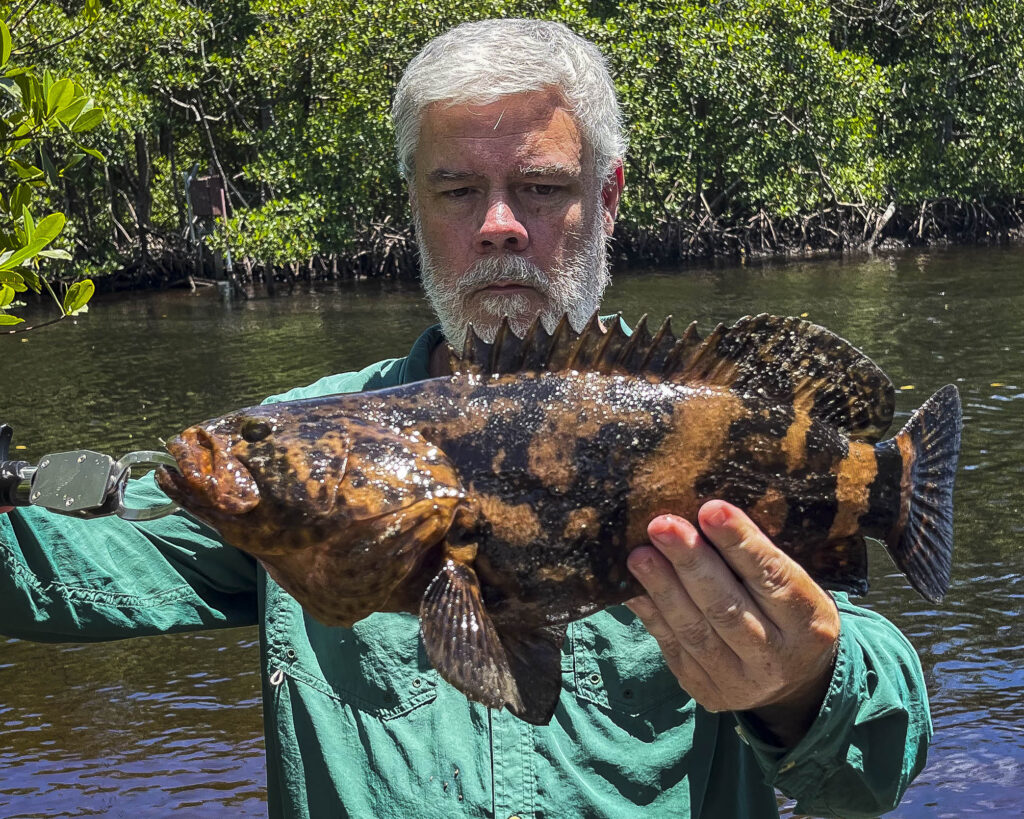
It was there, in the outflow of the Everglades , that something extraordinary happened. My lure was suddenly and violently slammed—this was no ordinary fish. After a tense, five-minute battle, I pulled in a juvenile Goliath grouper. I had never caught one before, and the sheer power of the fish was awe-inspiring. Carefully, I unhooked and photographed it before releasing it back into the depths. It was a catch I’ll never forget.
As we fished the bridges near Everglades City and Chokoloskee, the snook continued to bite, but it was the return journey along the Tamiami Trail that brought the day to a climactic close. Small tarpon, their acrobatic leaps and fierce runs a sight to behold, began to fill our lines. These weren’t giants, but on light tackle, they were a blast.
The taxman—a massive alligator—soon made his appearance, and we wisely decided to move on before he could collect his fee.
We spent the rest of the afternoon chasing snook and tarpon along the small channels and washes, the light beginning to fade as we made our way back east. The final stretch of the drive was a marathon of fish, with snook and tarpon falling to our lures in quick succession. Nothing over 24 inches, but on light gear, it was pure exhilaration.
Exhausted but exhilarated, we finally called it a day and picked up sandwiches from a place called “sndwch,” housed in a sleek, modern building that seemed worlds away from the wild day we had just experienced. The sandwiches and Arnold Palmers were the perfect end to a day that had been as epic as any angler could dream of.
Tomorrow, we’ll take it easy, soaking in the sights and reflecting on a day that will be etched in our memories forever.